The simplest difference is this: a cap has a brim only at the front, while a hat has a brim all the way around. That one structural fact explains almost everything else — how each one shades you, how formal it looks, and when to reach for one over the other. A baseball cap shades your eyes and forehead; a wide-brim hat shades your face, neck, and shoulders. A cap reads casual by default; a hat can read casual or dressy depending on its shape and material.
So what is the difference between a cap and a hat, in practical terms? A cap is a close-fitting, front-brimmed head covering built for activity and casual wear. A hat is a broader category of headwear with a full brim and a crown, made in many shapes and materials for sun, warmth, fashion, or occasion. All caps are a kind of headwear, but not all headwear is a cap — and in everyday speech, “hat” usually means the full-brim kind, while “cap” means the front-brim kind. Knowing that distinction helps you shop, dress for the weather, and pick the right piece for an occasion without second-guessing.
The structural difference, piece by piece
Brim. A cap’s brim — also called a visor or peak — sticks out at the front only, usually two to three inches, and it is often slightly curved or flat. A hat’s brim goes all the way around the crown, and its width varies widely: a bucket hat’s short brim slopes down, a fedora’s brim is medium and flat, a sun hat’s brim is wide and often floppy. If you can turn the piece around and the brim is still there at the back, it is a hat. If the back is open and brimless, it is a cap.
Crown. A cap’s crown is soft, close-fitting, and usually made of panels sewn together — six panels for a classic baseball cap, five for a camp cap. It hugs the head. A hat’s crown is more structured and varied: it can be tall and pinched (fedora), round and bell-shaped (cloche), flat-topped (boater), or soft and unstructured (beret, which technically has no brim but is still classed as a hat). The crown shape is what gives a hat its character; a cap’s crown is deliberately plain so the brim and any logo do the talking.
Fit and fastening. Caps usually have an adjustable strap at the back — a snap, a buckle, or a stretch band — plus, in many baseball caps, a small opening for a ponytail. Hats usually have a fixed inner band sized to your head, sometimes with sizing tape or a drawstring for adjustment, but no back strap. That is why caps are easier to share or buy without measuring, while hats reward measuring your head first.
Material. Caps are most often cotton twill, polyester, denim, or performance fabrics — materials chosen for durability, washability, and sport. Hats use a wider range: felt (wool or fur) for cooler months, straw and raffia for summer, leather for rugged wear, and cotton or canvas for casual styles. The material is a clue to the occasion: a felt hat signals something more dressed than a twill cap, even in the same color.
Cap types you will actually meet
Baseball cap. The default cap. Six panels, a curved brim, an adjustable back strap. Originally sports gear, now everyday casual wear. Works with denim, dresses, athleisure, and jackets, and it is the easiest cap to wear well: keep it clean, plain or with a small logo, and wear it straight or slightly back.
Snapback. A baseball-style cap with a flat brim and a snap closure. More streetwear in feel than a curved-brim cap, and it suits a younger, more casual look. The flat brim casts a different shadow, so check it in a mirror — it can hide the eyes more than a curved brim.
Dad cap. A softer, unstructured baseball cap with a curved brim and a slightly relaxed crown. It sits lower and less rigidly than a classic baseball cap, and it is the most forgiving cap for everyday wear because it does not hold a stiff shape.
Trucker cap. A baseball-style cap with a mesh back and a foam front panel. Breathable in heat, casual in look, and best for outdoor, sporty outfits rather than city outfits.
Flat cap (ivy cap). A rounded, low-profile cap with a small, stiff brim at the front. Despite the name, this is closer to a cap in structure but reads dressier than a baseball cap, and it pairs well with coats and tailored outfits. It is a good middle ground if you like the cap shape but want something smarter.
Beanie note. A beanie has no brim at all, so it is neither a cap nor a hat in the strict sense — it is a knit cap in the older sense of the word “cap” meaning any close-fitting head covering. In shops, beanies are usually sold separately from both caps and hats, and they are the cold-weather choice when neither a brim nor a structured crown is wanted.
Hat types you will actually meet
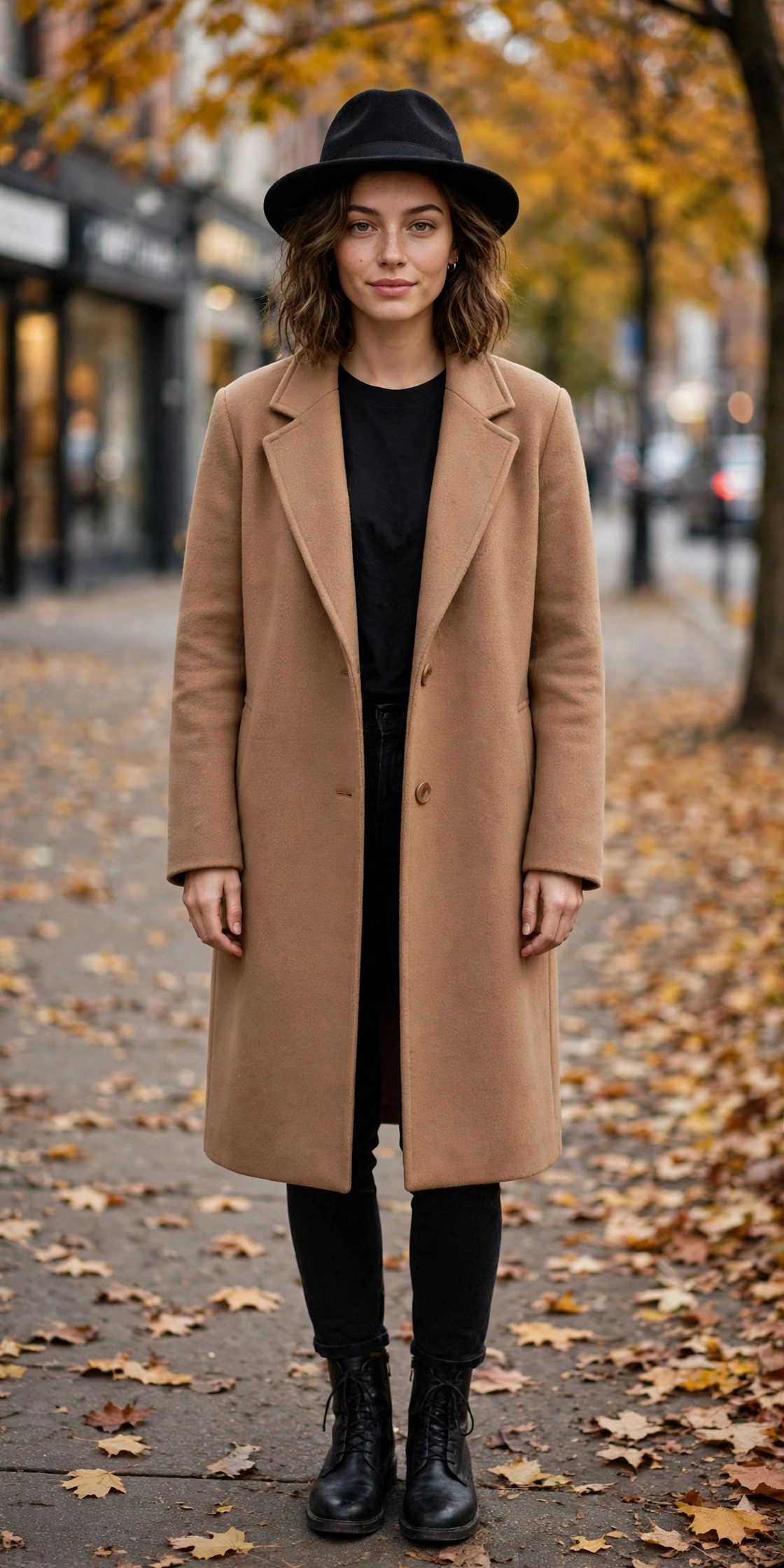
Fedora. Medium full brim, pinched crown, felt or straw. The most versatile dressy-casual hat, working with coats, blazers, and dresses across seasons depending on material.
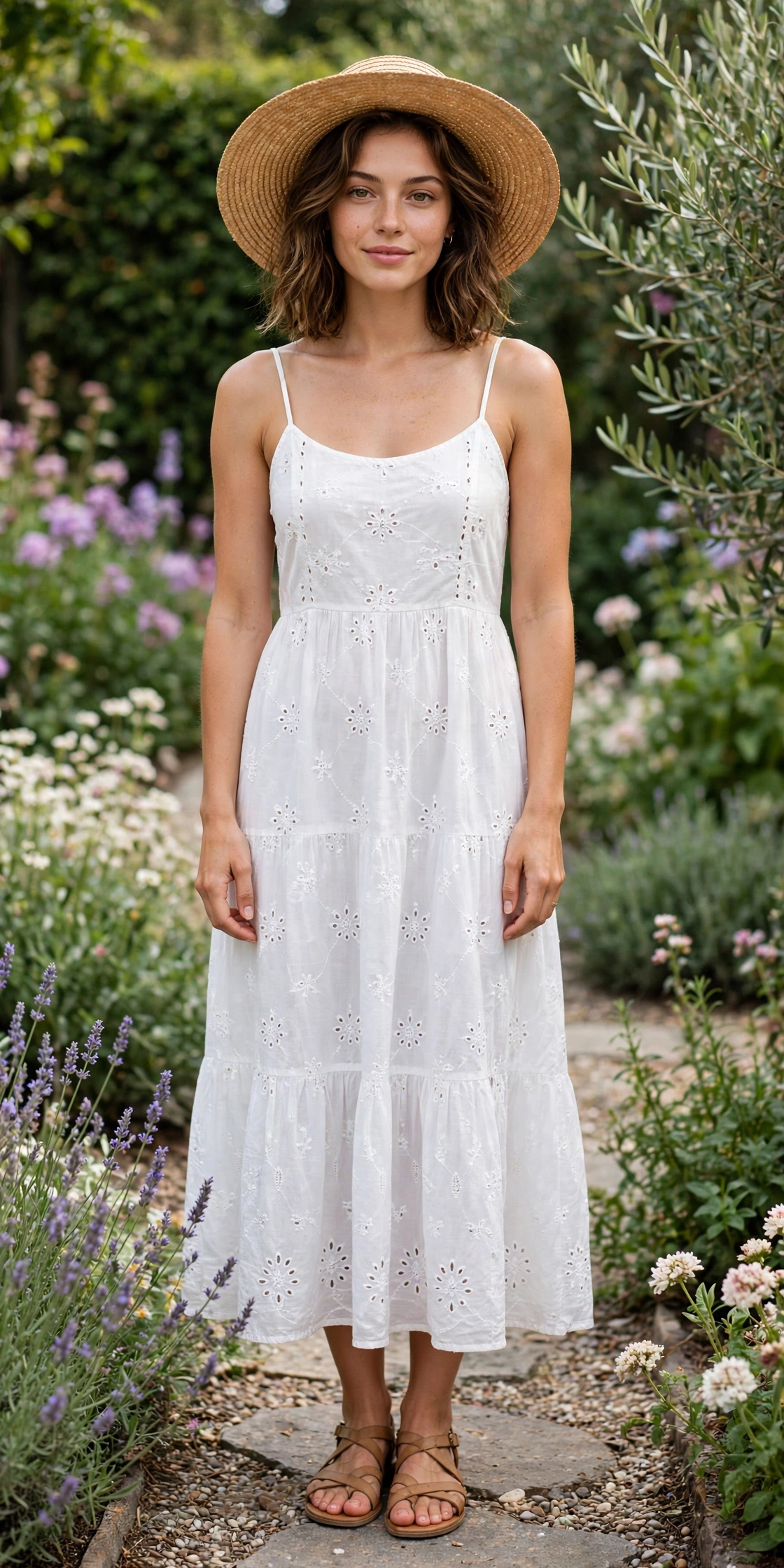
Wide-brim sun hat. A brim of three inches or more, usually straw, raffia, or canvas. Built for sun protection first, style second — though it delivers both. The wide brim shades face, neck, and shoulders in a way no cap can.
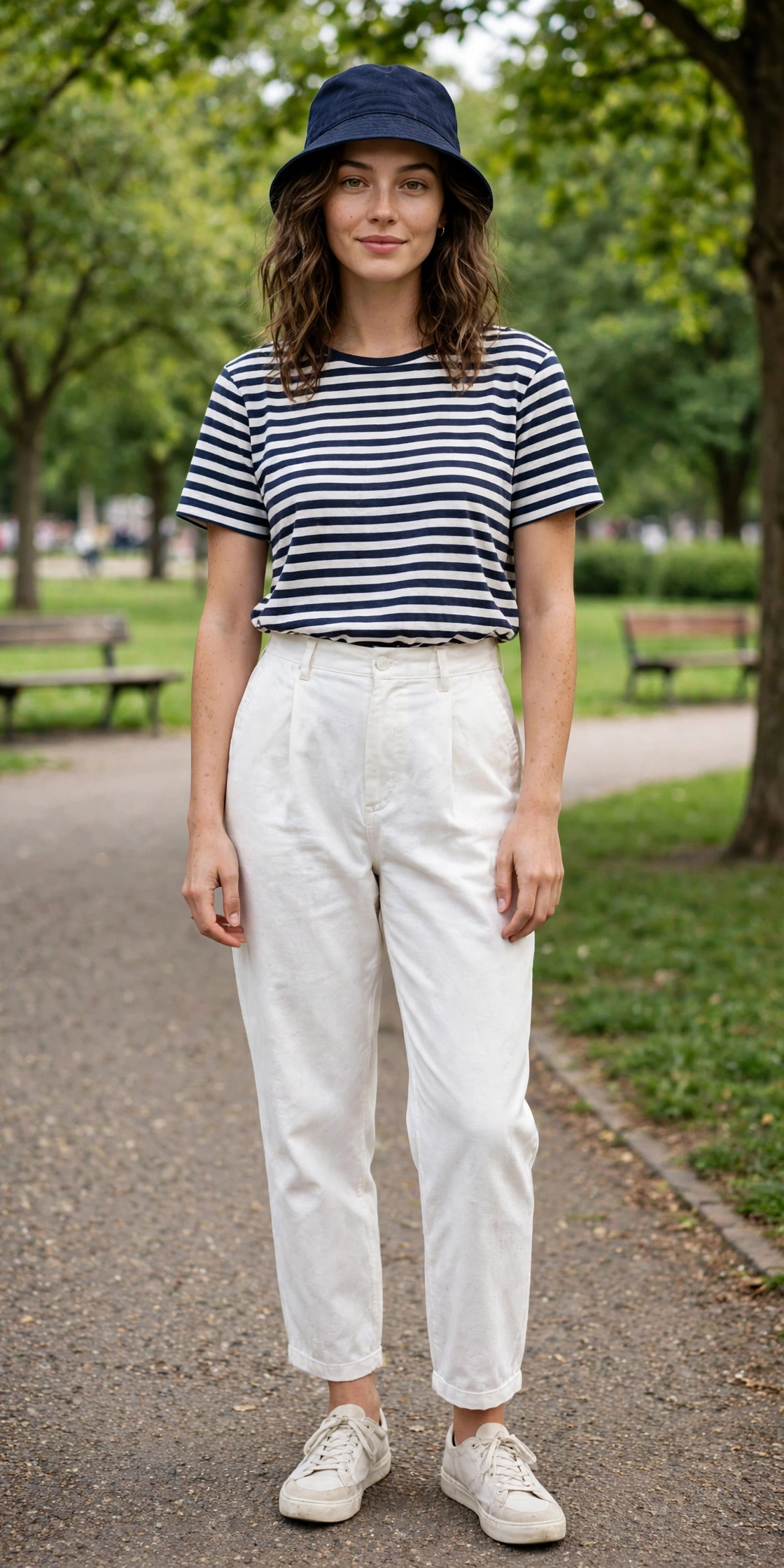
Bucket hat. Short, downward-sloping full brim, soft crown, usually cotton or canvas. Casual and practical, with more sun coverage than a cap and less formality than a fedora. A good travel hat because it packs down.
Beret. Soft, round, flat-crowned, no brim. Classed as a hat by tradition and by shops, even though it breaks the full-brim rule. Worn tilted to one side, it suits sweaters, coats, and dresses with a slightly dressy feel.
Cloche. Close-fitting, bell-shaped, low brim. Vintage in feel, neat in silhouette, best with fitted outfits and shorter hairstyles.
Boater. Flat top, flat medium brim, usually straw. Summery and smart, suited to garden parties, weddings, and occasions where a sun hat would be too casual and a fedora too heavy.
Cowboy hat. Wide brim with upturned sides, tall crown, felt or straw. Functional ranch wear turned fashion piece, best worn with simple, confident outfits — it is a strong statement, so the rest of the look should stay quiet.
When to wear a cap
Reach for a cap when the situation is casual, active, or practical. Caps are the right call for: running errands, walking the dog, outdoor workouts, sports events, road trips, casual lunches, and any day when you want sun out of your eyes without dressing up. A cap keeps hair out of your face, fits easily in a bag, survives being squashed, and pairs with almost any casual outfit.
A cap is also the better choice when you need to see clearly while moving. Because the brim is only at the front, your peripheral vision stays open, and the cap does not catch wind the way a wide brim does. Runners, cyclists, gardeners, and anyone working outdoors usually prefer a cap for exactly this reason — it stays put and stays out of the way.
Caps have limits, and naming them helps you choose well. A cap does not protect your neck, ears, or the back of your head from sun — for a long day outdoors, a hat or sunscreen on those areas is still needed. A cap reads casual, so it can look underdressed at a wedding, a formal dinner, or a smart office event, even a clean, plain one. And a cap with a large logo or slogan makes a statement whether you mean it to or not, so for a polished look, choose a plain cap or one with a small, quiet logo.
When to wear a hat
Reach for a hat when you want sun protection, warmth, polish, or occasion dressing. Hats are the right call for: beach and garden days (wide-brim sun hats), weddings and parties (fedoras, boaters, dressy cloches), city outfits with coats (felt fedoras, berets), travel (bucket hats that pack), and any outfit where the headwear should be part of the look, not just functional.
A hat is the better choice when sun protection matters most. A wide brim shades the whole face and neck, reducing the need to reapply sunscreen there constantly, and it keeps you cooler by shading a larger area. For a full day outdoors — a beach trip, a garden visit, a walking tour — a hat protects more skin than a cap, and that is a health point, not just a style one.
Hats also carry more formality. A felt fedora with a coat looks dressed in a way a baseball cap with the same coat does not, and that formality is useful when you want to look polished without a full formal outfit. The trade-off is practicality: hats are harder to pack, catch wind more easily, and need more care in storage. A good hat deserves a proper place at home, not the bottom of a bag.
Side-by-side: cap vs hat at a glance
| Feature | Cap | Hat |
|---|---|---|
| Brim | Front only | All the way around (beret excepted) |
| Sun coverage | Eyes and forehead | Face, neck, and shoulders |
| Formality | Casual by default | Casual to dressy, by style |
| Fit | Adjustable strap, one-size-most | Sized band, measure first |
| Wind | Stays put well | Wide brims catch wind |
| Packing | Squashes easily | Needs care, some pack down |
| Hair | Ponytail opening on many caps | Needs a low or loose style |
| Best for | Activity, errands, sport | Sun days, occasions, polish |
Use this table as a shortcut when you are standing in a shop: if the piece has a back strap and a front-only brim, treat it as a cap and judge it by casual standards. If it has a full brim and a sized band, treat it as a hat and judge it by fit, proportion, and occasion.
Can you wear a cap with a dressy outfit?
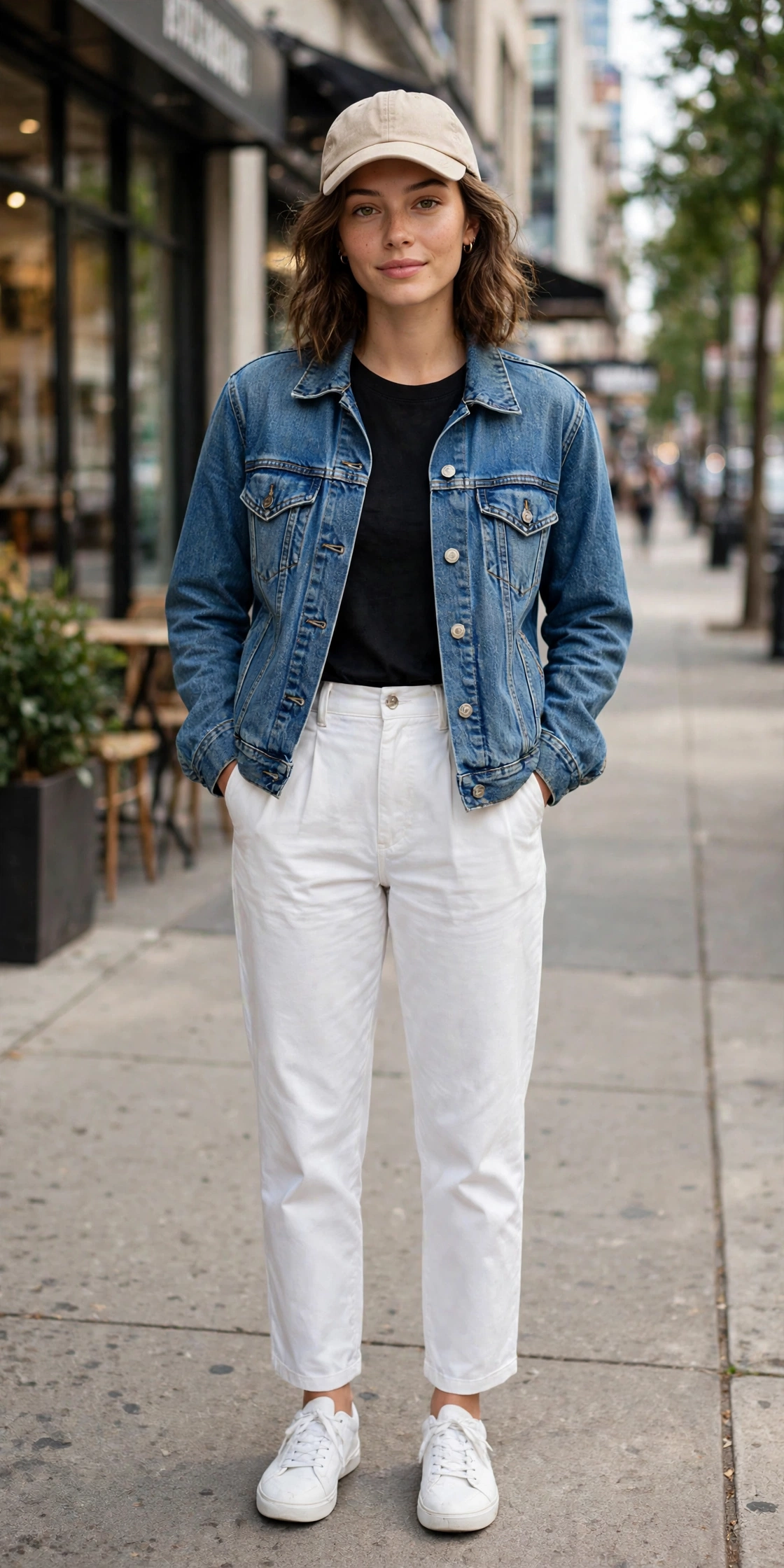
Yes, deliberately — and that is the key word. A clean, plain cap with a blazer, a simple dress, or tailored trousers is a current, intentional look, and it works because the rest of the outfit is tidy and the cap is quiet. What does not work is a worn, logo-heavy cap with an otherwise dressy outfit, because the contrast reads as accidental rather than chosen. If you want to dress a cap up, keep it plain, keep the outfit’s lines clean, and keep other accessories minimal.
The reverse also works: a dressy hat with a casual outfit can elevate it. A fedora with jeans and a good coat, or a beret with a sweater and jeans, adds polish without formality. The rule in both directions is the same — one piece does the contrasting, the rest stays simple, so the look reads as a choice.
Choosing between them: five quick questions
- How much sun do I need to block? Face and neck all day — hat. Eyes only, short outing — cap.
- How formal is the occasion? Smart or occasion — hat. Casual or active — cap.
- How windy is it? Strong wind — cap or a close-fitting hat like a bucket. Calm day — any hat.
- What is my hair doing? High ponytail — cap with an opening. Low bun or loose — either. Updo for an event — hat, with hair styled to fit under it.
- Do I need to pack it? Bag or suitcase, squashed — cap or packable bucket hat. Carrying it or storing it properly — any hat.
Answer those five and the choice usually makes itself. And if you still cannot decide, the safe default is: cap for doing things, hat for being somewhere. Errands, sport, and chores favor caps; lunches, events, and long outdoor days favor hats.
Care and storage: keeping both in good shape
Caps are the easier of the two to care for. Most cotton and polyester caps can be spot-cleaned or hand-washed cool, then air-dried with the crown stuffed with a towel to hold its shape. Do not machine-wash a structured cap unless the label says so — the brim can warp. Store caps stacked or hung by the back strap, and keep them out of prolonged sun when not worn, since sun fades the front panel first.
Hats need a little more respect. Felt hats should be brushed gently to remove dust and stored on a shelf or in a hat box, crown down or on a stand, never hung by the brim, which distorts it. Straw hats should be kept dry and out of crushing weight — a squashed straw brim rarely recovers fully. Both types should be kept away from damp, which stains felt and weakens straw. A hat that is stored well lasts years; one that lives at the bottom of a closet does not.
Bottom line on the difference between a cap and a hat: a cap has a front-only brim and a close, adjustable fit for casual, active wear; a hat has a full brim and a sized band for sun, polish, and occasion dressing. Use the brim test to tell them apart in a shop, use the five questions to choose between them at home, and you will always reach for the right one.
What is the difference between a cap and a hat when shopping online?
Online listings blur the line, because sellers tag products loosely to catch searches. Use the photos, not the title, to decide: look for a brim at the back of the product photos, check whether the listing mentions an adjustable strap or a sized band, and read the measurements. If the listing says “one size, adjustable strap” and the photos show a front-only brim, it is a cap whatever the title says. If it lists head sizes in inches or centimeters and shows a full brim, it is a hat. This check also helps you avoid the most common online mistake — ordering a “hat” and receiving a cap, or vice versa — because the difference between a cap and a hat is structural, not a matter of what the seller chose to call it.
What is the difference between a cap and a hat?
A cap has a brim only at the front and a close-fitting, usually adjustable crown. A hat has a brim all the way around the crown (with berets as the traditional exception) and a sized inner band. Caps read casual and active; hats range from casual to dressy depending on style and material.
Is a baseball cap a hat?
In everyday speech, people often call any head covering a hat, but in shops and style guides a baseball cap is classed as a cap, not a hat, because its brim is front-only. It is still headwear, and the distinction matters mainly for shopping, sizing, and occasion dressing.
Which gives better sun protection, a cap or a hat?
A hat, by a clear margin. A wide-brim hat shades the face, ears, neck, and shoulders, while a cap shades only the eyes and forehead. For a long day outdoors, choose a hat with a brim of at least three inches, and use sunscreen on any skin still exposed.
Can women wear caps with dresses?
Yes. A clean, plain cap with a casual dress, denim jacket, or simple sneakers is a current, intentional look. Keep the cap quiet and the rest of the outfit tidy — a loud logo cap with a dressy dress reads accidental, while a plain cap with a casual dress reads styled.
Is a bucket hat a cap or a hat?
A bucket hat is a hat: it has a full brim all the way around, even though that brim is short and slopes down. It is casual like a cap, but its structure, sizing, and sun coverage place it in the hat category.
Should I measure my head for a cap or a hat?
Measure for a hat, where sizes are fixed and the band must fit. Caps are usually adjustable, so one-size-most works, though checking the strap range helps if your head is notably small or large. To measure, wrap a soft tape around your head just above your eyebrows and ears.