Short answer: pure cotton stretches a little, but not the way most people expect. A plain 100% cotton t-shirt will give slightly when you pull it, then settle back partway — it does not snap back like a stretch fabric, and it does not hold a stretched shape well over time. If you want real, repeatable stretch, look for cotton blended with a small amount of elastane (also sold as spandex or Lycra), or choose a knit cotton fabric rather than a woven one. That single distinction — fiber versus fabric construction — explains almost every surprise people have with cotton clothing.
So, is cotton stretchable? Yes, in a limited, everyday sense. No, if you mean the springy recovery you get from leggings or a stretch jean. Cotton fibers themselves are fairly stiff compared with elastic fibers. What moves is mostly the structure: loops in a knit can open up, and yarns in a loose weave can shift a bit. Once that structure is pulled past a point, or washed and dried repeatedly, cotton tends to stay stretched out at the elbows, knees, or waistband rather than bouncing back. That is why an old cotton sweater bags at the cuffs and a cheap cotton tee grows longer after a summer of wear.
What pure cotton actually does when you pull it
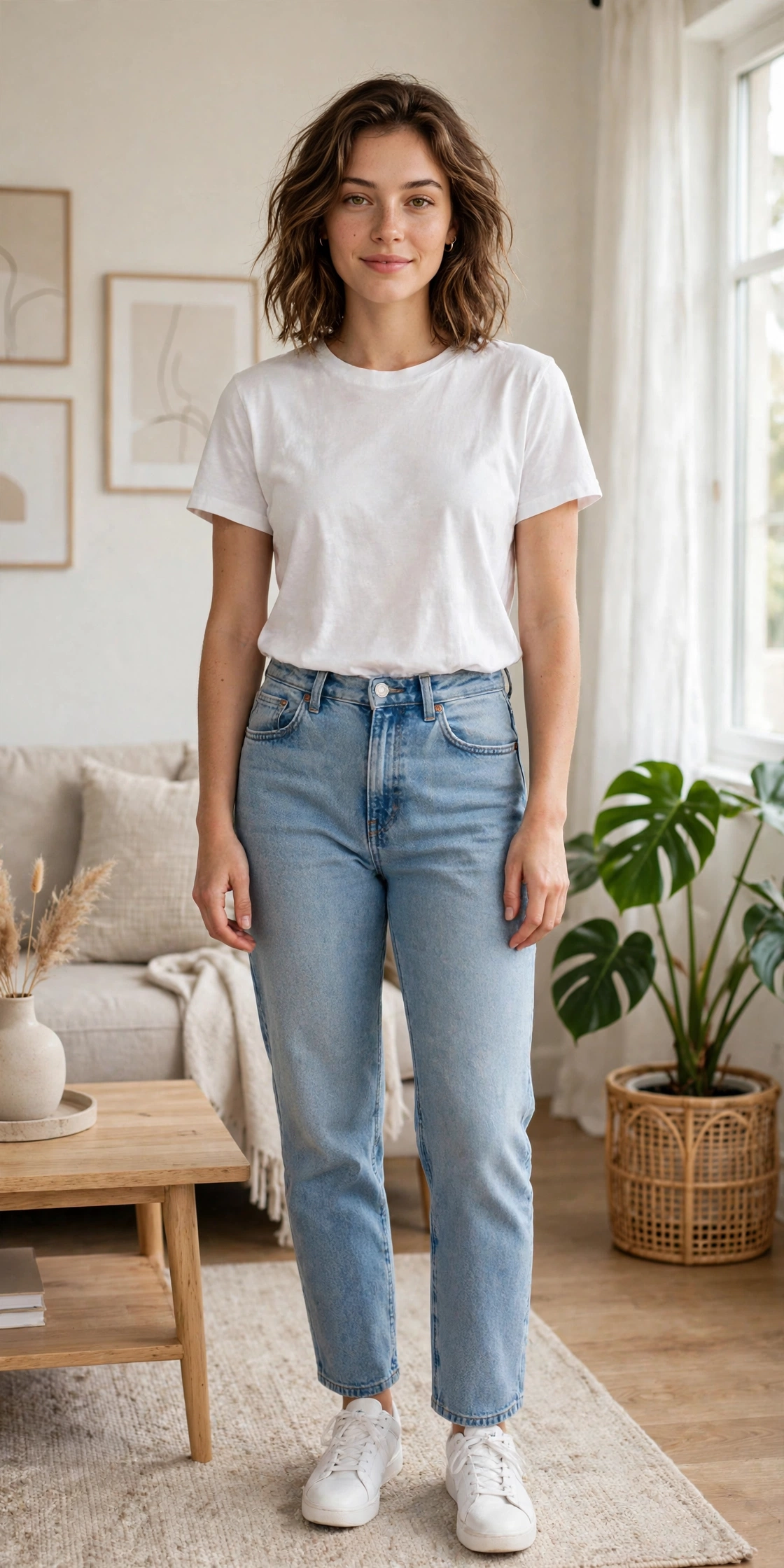
Take a 100% cotton jersey tee — the soft, t-shirt kind of knit — and pull the hem sideways. You will feel give, maybe 5 to 10 percent, and when you let go it recovers most of the way, not all of it. Do the same test on a woven cotton shirt, the crisp button-down kind, and you will feel almost no give across the fabric. It may wrinkle or pull at the buttons instead. That difference is construction, not magic: knits are loops, wovens are a grid of threads crossing at right angles, and a grid resists sideways pull.
Wet cotton behaves differently again. Cotton absorbs water, and wet fibers swell and soften. A wet cotton shirt feels heavier, looser, and easier to stretch — and easier to distort. This is one reason washing instructions matter so much: pulling a wet cotton sweater into shape on a hanger, or tumble-drying it on high heat, can change its measurements for good. Cotton also shrinks in heat, which is the opposite problem. A garment can come out of the dryer both shorter and baggier in odd places, because different parts of the garment reacted differently.
A useful rule of thumb: expect pure cotton to offer comfort stretch, not performance stretch. It will move with you while you sit, reach, or bend, especially in a knit. It will not behave like activewear, and it should not be bought a size small on the promise that it will “stretch out to fit.” Sometimes it does stretch out — at the waist or bust, where stress is constant — but that stretched-out fit looks tired, not tailored.
The blend that changes everything: cotton with elastane
Add just 2 to 5 percent elastane to cotton and the feel changes completely. The fabric pulls and returns, holds its shape through a long day, and resists bagging at elbows and knees. Most modern “stretch cotton” jeans, chinos, and fitted shirts use this range. At 1 percent elastane you get a hint of give; at 3 to 5 percent you get clear, comfortable stretch with good recovery; above about 8 percent, the fabric starts to feel more like a stretch synthetic than cotton, and it may feel warmer and less breathable.
Read the label before you buy, because brands use different words for the same thing. “Stretch cotton,” “cotton stretch,” “comfort stretch,” and “flex cotton” usually all mean a cotton-elastane blend. “100% cotton” means no elastane at all, whatever the product name suggests. If the label only says “cotton blend” without percentages, ask or check the product details — a blend could be cotton-polyester, which stretches differently and recovers differently again.
Elastane also has a lifespan. Heat is its enemy. Repeated hot drying breaks elastic fibers down, so a stretch cotton garment that fit perfectly for a year can suddenly stop springing back. Wash in cool or warm water and air-dry or tumble-dry low if you want the stretch to last. This one habit adds months, sometimes a year, to the useful life of stretch cotton.
Knit cotton vs woven cotton: a practical comparison
Here is the comparison that matters most at the store:
- Cotton jersey (knit): soft, drapes, gives sideways and lengthwise, recovers partly. Best for tees, casual dresses, loungewear, and anything you want to move in without structure.
- Cotton interlock or rib knit: denser knits with more body. Ribbed cotton, with its vertical ridges, stretches noticeably across the ribs and snaps back better than plain jersey. Good for fitted tops and tank tops.
- Cotton poplin or broadcloth (woven): crisp, smooth, almost no stretch. Best for shirts you want to look sharp, but buy your true size — there is no forgiveness at the bust or waist.
- Cotton twill (woven): the diagonal weave used in chinos and denim. Slight diagonal give, but not true stretch unless elastane is added.
- Cotton denim (woven): rigid unless labeled stretch. “Rigid denim” means 100% cotton and will soften and mold slightly with wear, but it will not stretch on demand.
- Cotton seersucker or voile (woven): light and airy, but the openness comes from the weave, not stretch. They breathe well and wrinkle easily.
If you remember nothing else, remember this: knit means give, woven means hold. When a woven cotton garment feels tight, tailoring or a size change fixes it; hoping it will stretch out usually ends in pulled buttons or a strained seam.
Does cotton stretch out permanently?
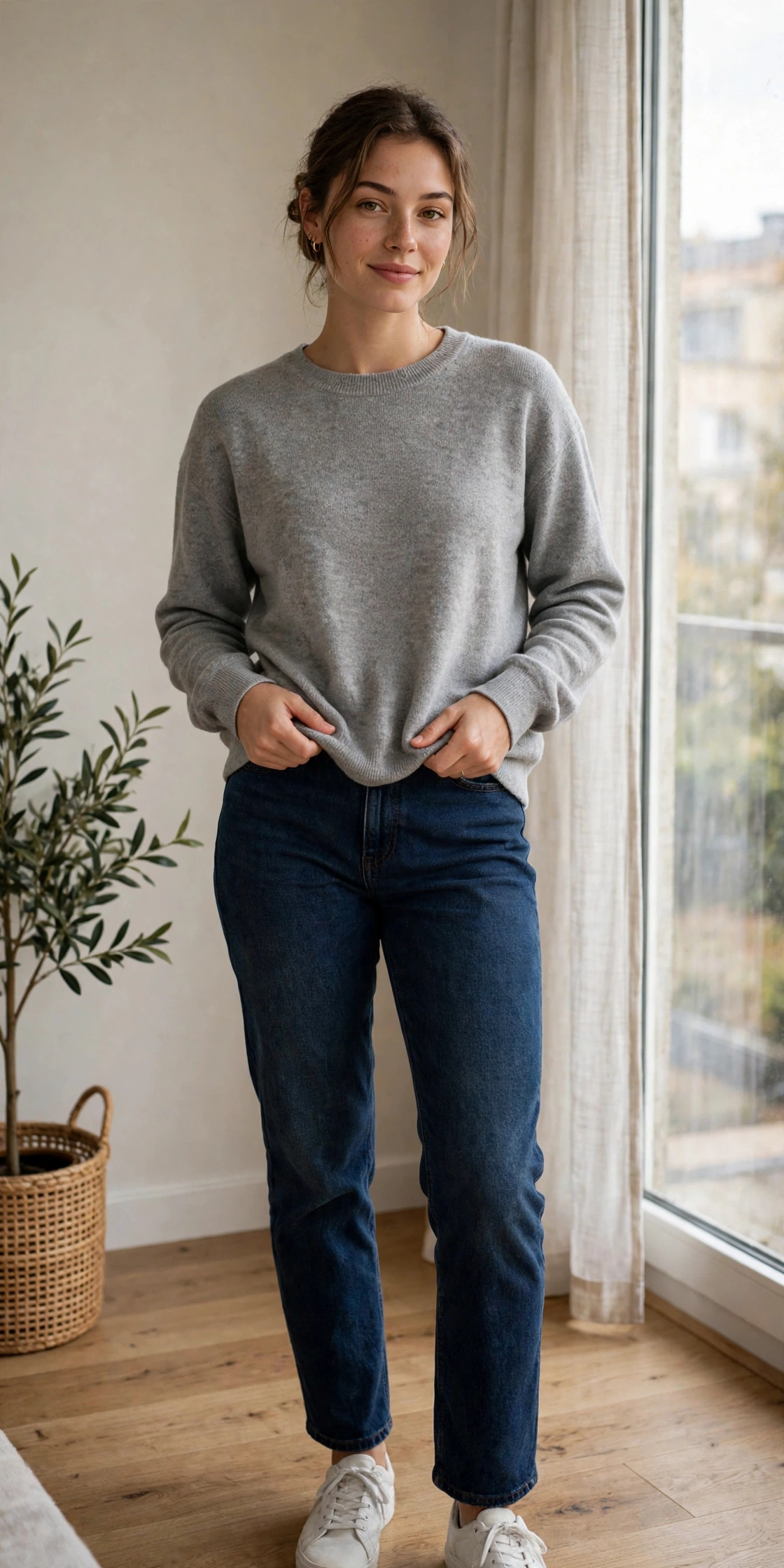
Yes, and in predictable places. Constant stress stretches cotton fibers and yarns past their recovery point. Waistbands on cotton pants, the seat of cotton trousers, elbows on cotton sweaters, and the neckline of cotton tees are the usual victims. Weight makes it worse: a heavy, wet cotton sweater hanging on a narrow hanger will lengthen at the shoulders. Gravity plus moisture is a slow stretching machine.
You can slow this down. Fold heavy cotton knits instead of hanging them. Use wide, padded hangers for woven cotton shirts and jackets. Reshape knit garments flat while damp rather than hanging them dripping wet. And rotate: wearing the same cotton sweater three days in a row keeps it under stress without rest, while a day off lets fibers relax partway back.
Once cotton has stretched out, can you shrink it back? Sometimes, partly. A warm wash and careful drying can tighten a 100% cotton knit somewhat, because heat makes cotton fibers contract. But the result is uneven — length may recover while width stays baggy — and repeated heat-shrinking damages the fabric. Treat shrinkage as a rescue attempt, not a care routine. For a favorite stretched sweater, a tailor can often take in a side seam more reliably than the dryer can.
The in-store stretch test: four checks before you buy
You do not need to trust the label alone. Use these checks in the fitting room, and use daylight or the store’s brightest mirror if you can.
- The sideways pull. Pinch a flat section of fabric between both hands, about a hand-width apart, and pull gently sideways. Good stretch cotton returns almost fully when you release. Pure cotton knit returns most of the way. Woven cotton barely moves.
- The seat-and-knee test. For pants, sit down, stand up, and look at the knees and seat. If the fabric stays puffed out after standing, expect bagging by afternoon.
- The button test. For woven cotton shirts, sit and reach forward. If buttons gape, the shirt is too small — woven cotton will not stretch to cover the gap, it will only strain the buttonholes.
- The waistband test. Pull the waistband out and let go. A waistband that snaps back is a blend or a rib knit; one that stays loose will grow looser all day.
Buy woven cotton in your exact size, and buy knit cotton with the fit you want right now, not the fit you hope it will become. For stretch cotton blends, your normal size usually works, because the stretch is built in and meant to be used.
Cotton stretch by garment: what to expect
T-shirts and casual tops. Jersey cotton gives enough for comfort. Expect slight lengthening over months, especially in cheaper, lighter jerseys. Heavier jersey (look for a denser, smoother hand feel) holds shape better.
Jeans and pants. Rigid 100% cotton denim molds to your body over weeks — it softens and takes your shape, which feels like stretch but is really the fabric breaking in. Stretch cotton denim with 2 to 3 percent elastane gives immediately and recovers daily. If you sit all day, stretch denim keeps its shape better; if you want jeans that age and fade with character, rigid cotton is the classic choice.
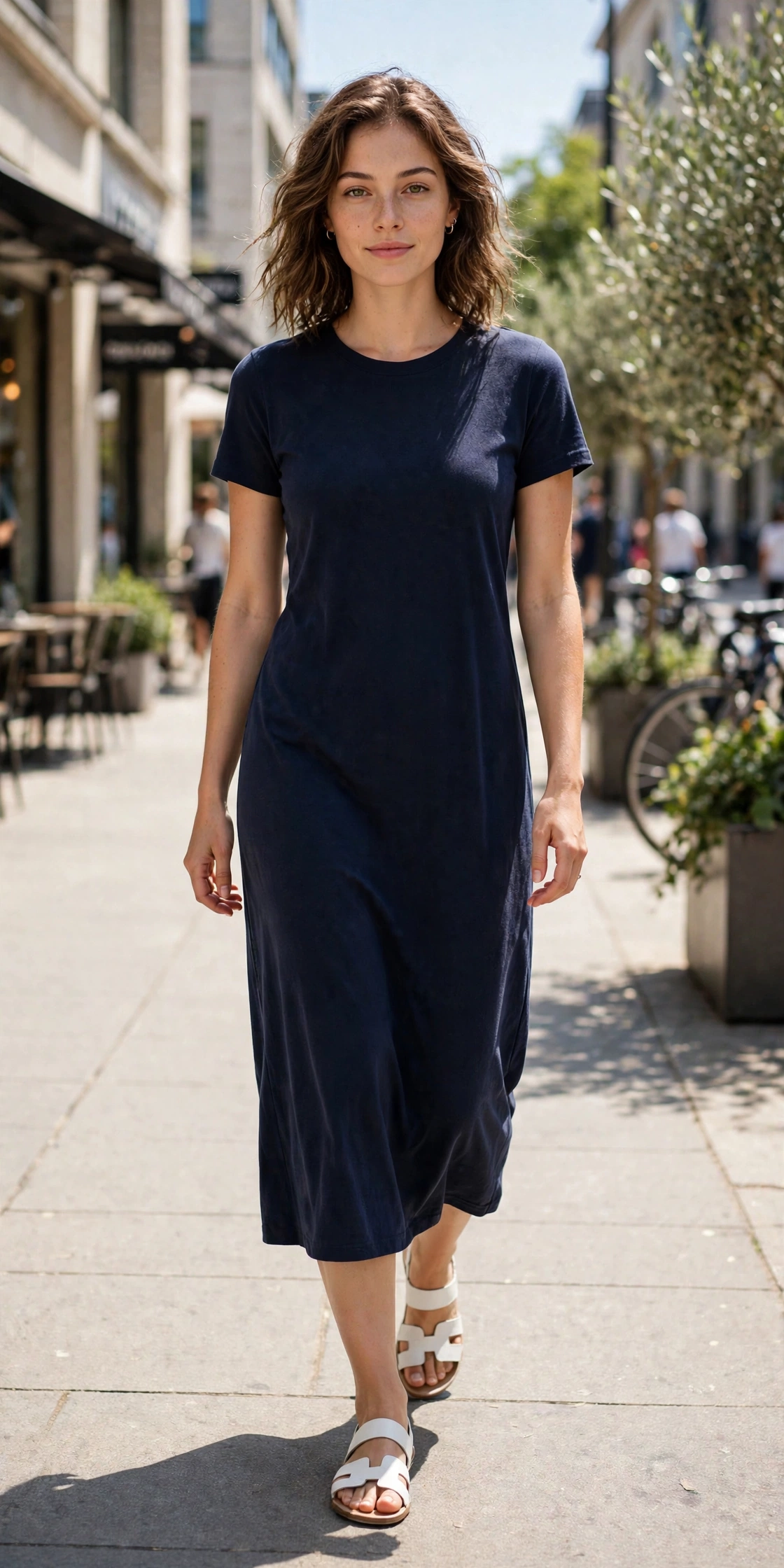
Dresses. Cotton jersey dresses are forgiving and comfortable, but a fitted jersey dress without elastane can lose its waist definition by evening. A-line and shift shapes in cotton are safer bets than body-hugging cuts in pure cotton.
Sweaters and cardigans. Cotton knits stretch under their own weight. A long, heavy cotton cardigan will grow longer over a season if hung. Fold it, and buy a size that fits without pulling at the buttons. For more on fit, see this women’s sweater fit guide.
Underwear and socks. This is where pure cotton disappoints most, because these garments need constant recovery. Cotton-rich underwear and socks with elastane stay in place; 100% cotton versions tend to sag and bunch by the end of the day.
Activewear and swim. Pure cotton is a poor choice here. It absorbs sweat, gets heavy, stretches when wet, and dries slowly. Cotton blends made for activity exist, but for real workouts, other fabrics do the job better.
If you need more stretch, what should you buy instead?
If cotton’s limited stretch is not enough, you have honest options. A cotton-elastane blend keeps cotton’s breathability and soft feel with real recovery — the best middle ground for everyday wear. Cotton-modal or cotton-Tencel blends drape more and feel softer, with a bit more give than pure cotton, though they still do not snap back like elastane blends. For fitted work pants or travel clothes, a cotton-polyester-elastane blend holds shape and resists wrinkles, at the cost of some breathability. The point is not that pure cotton is bad — it is breathable, soft, skin-friendly, and easy to care for — it is that stretch is a specific job, and pure cotton was never hired for it.
Caring for cotton so its stretch lasts
Wash cotton in cool or warm water, not hot, unless the care label says otherwise. Skip high-heat drying for anything with elastane, and for pure cotton knits, lay flat to dry when you can — it takes longer, but it prevents the slow lengthening that hang-drying causes. Turn garments inside out to reduce surface wear, and avoid overloading the washer, which twists and stresses fabric. If a cotton garment shrinks slightly in the wash, reshape it gently while damp and lay it flat; do not yank it back to size, which stretches some areas while others stay tight.
Iron woven cotton while slightly damp for a crisp finish, and use steam rather than force for knits. Store folded knits, hang wovens on proper hangers, and keep cotton out of prolonged direct sun while drying — ultraviolet light weakens cotton fibers over time, making them stretch and tear more easily. For crisp woven pieces at work, this guide to styling a blouse for the office is a useful companion.
Quick checklist: buying cotton with the right stretch
- Decide what you need: comfort give (pure cotton knit), real recovery (cotton-elastane blend), or crisp structure (woven cotton, no stretch expected).
- Read the fiber percentages, not just the product name.
- For fitted garments, prefer 2 to 5 percent elastane.
- For relaxed or oversized styles, pure cotton works well because fit is not under stress.
- Do the sideways pull, seat-and-knee, button, and waistband tests before buying.
- Buy woven cotton in your true size; never size down hoping it will stretch.
- Wash cool, dry low or flat, and fold heavy knits.
- Expect pure cotton to soften and mold with wear — that is normal, and it is different from elastic stretch.
Bottom line on whether cotton is stretchable: pure cotton gives a little and recovers partly, cotton knits give more than cotton wovens, and cotton-elastane blends give properly and spring back. Shop with the label and the four fitting-room tests in mind, and you will stop being surprised by cotton — you will know exactly how much move you are getting before you leave the store.
Shopping by label: what the percentages tell you
Labels tell a fuller story than product names. A shirt labeled 97% cotton, 3% elastane will stretch and recover noticeably better than one labeled 100% cotton, even if both are sold as everyday tees. A 60% cotton, 40% polyester blend will hold shape and resist wrinkles, but it will breathe less and feel less soft against skin. A 50% cotton, 50% modal blend will drape softly and feel smooth, with a little more give than pure cotton but less snap-back than an elastane blend. When you compare two similar garments, check the percentages side by side rather than trusting words like “stretch,” “flex,” or “comfort” on the hang tag — those words are marketing, while the percentages are the recipe. Also check the weave description when it is given: jersey, rib, poplin, and twill each behave differently, and a rib knit in pure cotton can offer more practical give than a woven blend with no elastane at all.
A note on price and quality
Price does not guarantee stretch, but construction quality does affect how long cotton holds its shape. Denser knits, tighter weaves, reinforced seams, and better-quality yarns all resist bagging longer than thin, loosely made fabric. A well-made pure cotton tee can outlast a cheap stretch blend whose elastane breaks down in a few hot washes. When you find a cotton garment that fits well and keeps its shape, note the brand, the fabric weight, and the fiber percentages — that combination is your personal benchmark, and it will save you guesswork on the next purchase.
Is cotton stretchable on its own, without elastane?
Yes, but only a little. Pure cotton knit stretches sideways and recovers partly, while pure woven cotton barely stretches at all. Neither one springs back the way an elastane blend does, and both can stretch out permanently under constant stress at the waist, knees, or elbows.
Does 100% cotton stretch out over time?
It can, especially in knits and in high-stress areas. Waistbands, seats, elbows, and necklines loosen with wear, and wet cotton hanging under its own weight stretches further. Folding heavy knits, washing cool, and drying flat all slow this down, but they do not make pure cotton behave like a stretch fabric.
Is stretch cotton the same as regular cotton?
No. Stretch cotton is usually cotton blended with 2 to 5 percent elastane (spandex or Lycra), which adds pull-and-return stretch. Regular cotton, labeled 100% cotton, has no elastane. The blend feels similar at first, but it holds its shape through the day and after washing much better.
Can you make cotton stretchier at home?
Not reliably. Warm washing can tighten shrunken cotton slightly, and gentle reshaping while damp can restore some shape, but there is no safe home treatment that adds elastic stretch to pure cotton. Repeated heat treatments damage fibers and elastane alike, so treat them as rescue attempts, not routines.
Why do my cotton jeans feel tight in the morning and loose by evening?
That is cotton’s limited recovery at work. Rigid cotton molds under body heat and movement through the day, so jeans feel snug when first put on and roomier later. Stretch cotton denim does this less, because the elastane pulls the fabric back toward its original shape each time you move.
Is cotton stretchable enough for workout clothes?
For light activity like walking or gentle stretching, a cotton-elastane blend works fine. For intense workouts, pure cotton is a poor choice: it absorbs sweat, gets heavy, stretches when wet, and dries slowly. Activity-specific fabrics handle moisture and recovery better, and they are worth choosing for real training sessions.