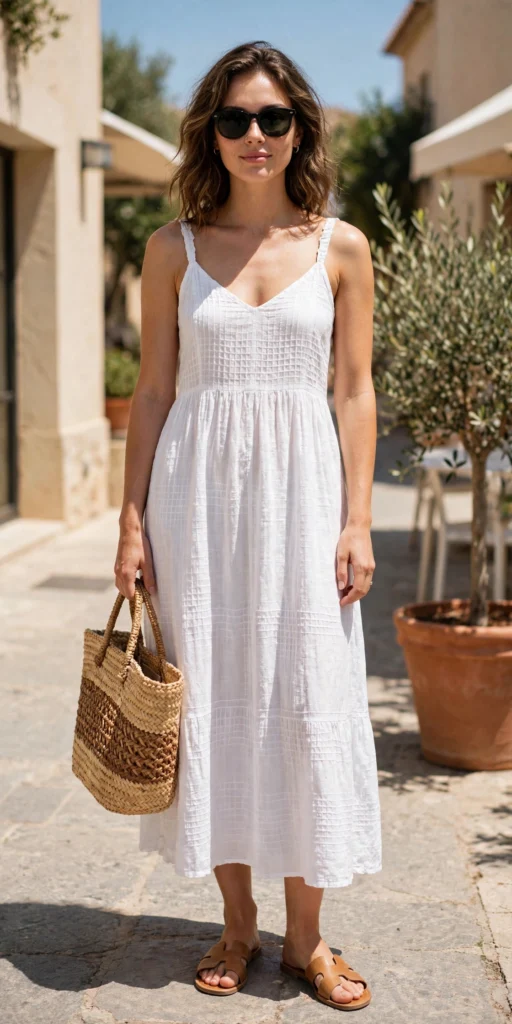
Wear one statement ring, on one hand, and let everything else stay quiet. That is the whole trick, and it works because a statement ring is designed to be noticed. When you add a second bold ring, a chunky bracelet, a watch, and long sleeves with busy cuffs, the eye has nowhere to rest and the ring stops looking special. It starts looking like clutter. One focal ring, simple nails, a calm outfit, and a bare or nearly bare other hand will make that ring look deliberate, expensive, and easy — even if it was not expensive at all.
A statement ring is any ring that draws attention on its own: a large stone, a bold shape, a wide band, a sculptural design, or a bright color. It is different from a simple band or a small stud ring, which are meant to blend in. Because a statement ring already carries a lot of visual weight, the rest of your hand and wrist should carry very little. That balance is the difference between an outfit that looks styled and an outfit that looks like you emptied a jewelry box onto your hands.
This guide is about that balance in practice — in other words, how to wear statement rings with confidence: which finger to choose, how to handle scale, how to mix metals without chaos, how to match rings to occasions, and how to fix the common mistakes that make a bold ring look too much. The rules are simple, and once you know them you can break one at a time on purpose, rather than breaking all of them by accident.
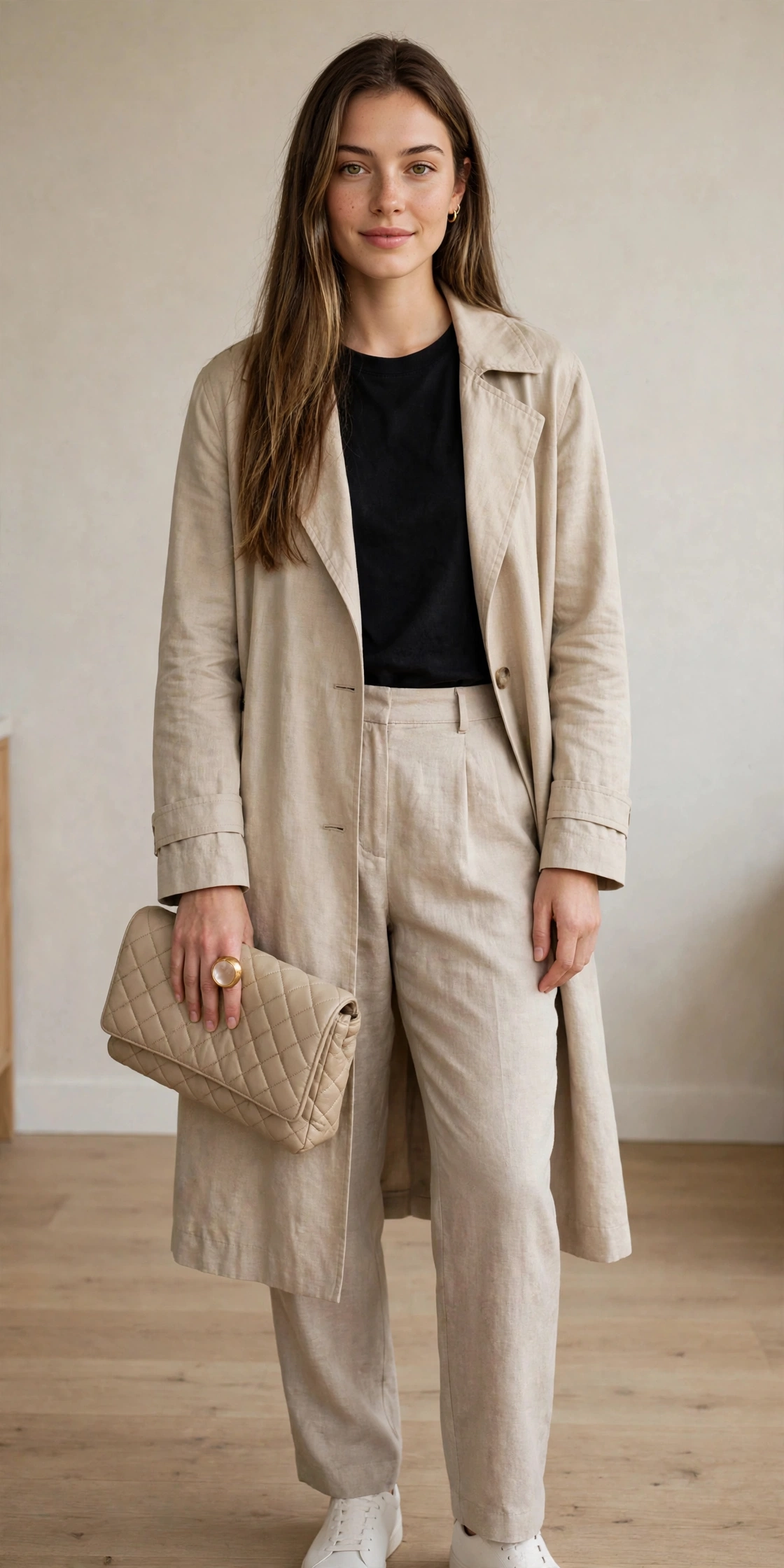
Start With One Focal Ring
Choose the ring first, then build the rest of the outfit around its scale and mood. If the ring is large and sculptural, the outfit should be relatively plain: a solid dress, a simple top and trousers, or a clean evening look. If the ring is colorful, the outfit should stay in neutrals or in one color that echoes the stone without matching it exactly. If the ring is vintage or ornate, keep the rest of your jewelry minimal so the ring reads as a chosen piece rather than part of a collection.
Put the focal ring on the hand you use less for gesturing, if you have a choice, because a large ring on a very active hand can feel distracting and can catch on things. Many people wear a statement ring on the index or middle finger, where a larger design has room to sit flat. The ring finger is also fine, especially if you are not wearing a wedding or engagement ring there, but a large design on the ring finger can compete with those rings if you wear them. The pinky can carry a small statement ring, but a very large design there often looks unbalanced and can feel insecure.
Test the ring by wearing it around the house for an hour before an important event. Can you type, hold a cup, open a door, and put on a coat without the ring catching, spinning constantly, or hurting a neighboring finger? A ring that spins so the stone ends up on the palm side will look messy in photos, even if it felt fine for five minutes in the store. A ring that is too tight will leave a mark and feel uncomfortable by evening. Comfort is part of style here, because a ring you keep adjusting draws attention for the wrong reason.
Scale, Proportion, and Your Hand
Scale is not about hand size alone; it is about the ring in relation to your fingers, your nails, and your outfit. A wide band that covers two finger joints will look different on a short finger than on a long finger, but both can work if the rest of the hand is kept simple. The test is the photo test: take a picture of your hand holding a cup or resting on a table, and see whether the ring looks like a feature or like an obstacle. If the ring hides the finger or makes the hand look crowded, it is too large for that finger, even if it looked good in the box.
Long nails change the equation. A statement ring plus very long, brightly decorated nails can be too much together, because both compete for attention on the same small area. If you love long nails, choose a simpler statement ring, or keep the nail color neutral. If you love a bold ring, keep the nails short to medium and in a neutral, soft pink, or classic red shade, depending on the occasion. Nude and soft pink are the safest choices, because they let the ring stand out without adding a second color story.
Sleeves and cuffs matter too. A tight cuff that pushes against a large ring will feel uncomfortable and can make the ring sit crooked. A very wide, embellished cuff next to a bold ring creates two focal points at the wrist and the hand, which is usually one too many. For a statement ring day, choose sleeves that end cleanly at the wrist, or push a loose sleeve up slightly so the hand is clear. If you wear a watch, wear it on the opposite wrist from the statement ring, or skip the watch that day, so the ring hand stays uncluttered.
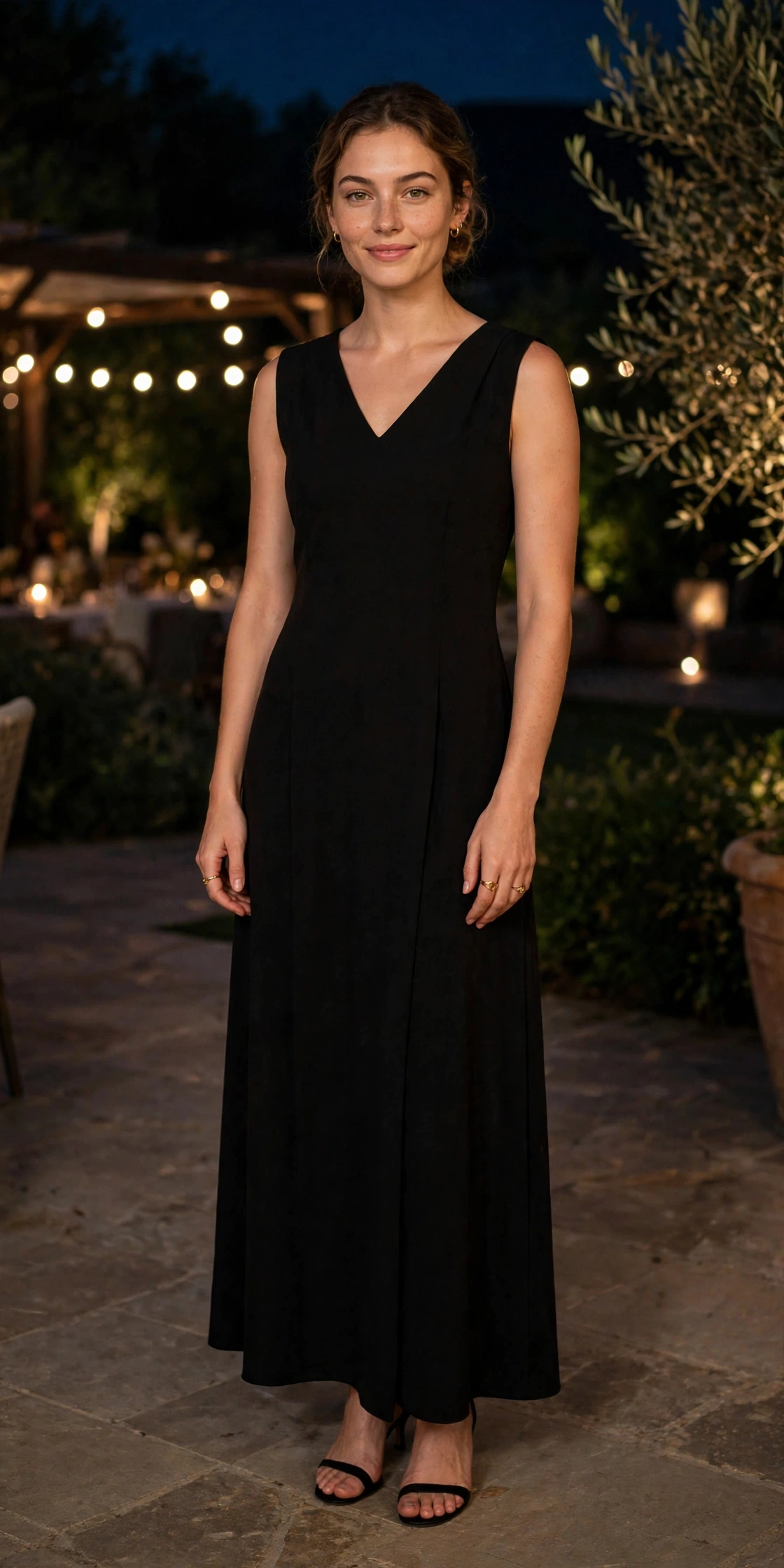
Mixing, Stacking, and the Other Hand
The other hand is your best tool for balance. If one hand carries a statement ring, the other hand should carry either nothing or one very simple band. That contrast is what makes the statement ring look intentional. Two bold rings on two hands do not balance each other; they compete, and the overall effect is busier, not richer. The same logic applies to bracelets: a thin bangle on the opposite wrist is fine, but a stack of chunky bracelets on the same wrist as the statement ring will crowd the hand.
Stacking can work, but only when the stack is treated as one statement, not as several. A common approach is to stack two or three thin bands on one finger and call that the statement, while keeping all other fingers bare. Another approach is to wear a statement ring on one finger and one thin band on another finger of the same hand, with a clear gap between them. What does not work is stacking a large ring with several other large rings on adjacent fingers, because the fingers cannot move comfortably and the rings knock against each other.
Mixing metals is possible, but it needs a plan. The simplest plan is one metal family for the whole outfit: all gold-toned, all silver-toned, or all rose-gold-toned pieces, including earrings and necklaces. If you want to mix, keep the mix to two metals and make one dominant. For example, a gold statement ring with small silver studs can work if the silver is minimal and the gold is clearly the lead. A gold ring, a silver bracelet, a rose-gold necklace, and mixed-metal earrings together will look scattered, because no metal leads.
When in doubt, remove one piece. This is the oldest styling advice for a reason, and it is especially useful with rings, because rings are small and easy to overdo without noticing. Put on the full outfit, look in the mirror, and take off the least necessary piece — often a second ring, a bracelet, or a busy necklace. If the outfit looks better without it, leave it off. You can always add it back for a different outfit where it can be the focal piece.
Matching Rings to Occasions
For everyday wear, a statement ring should be comfortable, secure, and not too fragile. A bold band, a medium stone in a low setting, or a sculptural metal ring works well for errands, lunch, and casual workdays, because it can handle daily tasks without constant worry. Avoid very tall settings or delicate stones for everyday wear, because they catch on bags, sleeves, and pockets, and they can be damaged by routine bumps. If you work with your hands, type all day, or handle food, choose a lower-profile design for workdays and save the taller designs for evenings.
For work, the ring should read as polished, not distracting. A single statement ring in a classic shape — a large smooth stone, a clean geometric design, or a wide polished band — can look professional with a tailored outfit, as long as the rest of the jewelry is minimal. Avoid rings that make noise when you type, that flash distractingly in meetings, or that are so large they interfere with shaking hands. In conservative offices, a smaller statement ring, such as a medium cocktail ring, is often a better choice than a very large one.
For evenings and events, you have more freedom. A larger stone, a brighter color, or a more sculptural design suits a dinner, a party, or a celebration, especially with a plain dress that gives the ring room to shine. This is the occasion where a statement ring earns its name, because the lighting, the outfit, and the mood all support a bolder choice. Even here, the one-focal rule still helps: a bold ring plus a plain dress plus simple earrings looks glamorous, while a bold ring plus a sequined dress plus chandelier earrings plus stacked bracelets looks overwhelmed.
For weddings, family gatherings, and photos, think about how the ring will look in pictures and how it will feel during the event. A ring that photographs beautifully but hurts after an hour is a poor choice for a long day. A ring that is meaningful — a family piece, a gift, a vintage find — can be the perfect statement ring for such occasions, because it carries a story as well as a look. If you wear an engagement or wedding ring, decide whether the statement ring will sit on the same hand or the opposite hand, and try both options in the mirror before the day.
Color, Stones, and Outfit Harmony
Color harmony for rings is simpler than for clothes, because the ring is small. The main question is whether the stone color fights with the outfit color. A red or pink stone next to a bright green outfit, for example, will create high contrast that may distract from both pieces. A blue stone with a navy outfit can blend in too much and lose its impact. The safest approach is to pair a colored stone with a neutral outfit — black, white, cream, navy, or grey — so the stone color becomes a deliberate accent rather than a clash.
Clear stones, such as clear crystals or diamonds, are the most versatile, because they reflect the outfit rather than competing with it. They work with almost any color and any occasion, which is why a clear cocktail ring is a useful first statement ring. Black stones are also versatile and look especially good with evening outfits and with monochrome looks. Colored stones are more specific: a green stone suits earth tones and neutrals, a blue stone suits white, grey, and navy, and a warm stone such as amber or coral suits cream, tan, and black.
Metal color should harmonize with the rest of your jewelry and, loosely, with your outfit. Gold tones warm up cream, tan, olive, and black outfits. Silver tones suit white, grey, navy, and cool pastels. Rose gold sits in between and suits soft pinks, creams, and warm neutrals. You do not need to match the metal to your outfit exactly; you need it to not fight with the other metals you are wearing. One consistent metal family across ring, earrings, and necklace is usually enough to make the whole outfit feel coherent.

Care, Storage, and Keeping a Bold Ring Looking Good
A statement ring gets more wear, more bumps, and more attention than a plain band, so care matters. Remove rings before heavy cleaning, gardening, swimming, or handling rough materials, because chemicals and knocks can dull stones and scratch metal. Put rings on after lotion, perfume, and hair products have dried, so residue does not build up on the stone. Clean the ring gently with lukewarm water, mild soap, and a soft cloth, and dry it fully before storing it.
Store statement rings separately, not piled together in a dish where they can scratch each other. A small pouch or a compartment in a jewelry box keeps a large stone from knocking against other pieces. Check the setting regularly: hold the ring up and look at the stone from the side to see whether it sits securely, and wiggle it very gently to feel for looseness. If a stone feels loose, stop wearing the ring until it is checked, because a loose stone is easy to lose and hard to replace.
Travel with a statement ring in a padded case, not loose in a bag pocket. If you are traveling to an event, carry the ring in your hand luggage rather than checked luggage, and put it on at the destination rather than wearing it through every stage of travel. These small habits protect the ring and also protect your outfit, because a scratched or dulled stone will not have the impact you bought it for.
Quick Decision Checklist for How to Wear Statement Rings
Before you leave, run through four questions. Is there one focal ring, not two or three competing rings? Is the other hand bare or nearly bare? Is the wrist on the ring hand free of chunky bracelets and tight cuffs? Do the nails, outfit, and other jewelry stay calm enough that the ring can be the feature? If the answer to all four is yes, you have learned how to wear statement rings without overdoing it, and the ring will do its job. If any answer is no, remove or simplify one piece and check again. That last-minute edit is often the difference between a look that feels styled and a look that feels crowded, and it takes less than a minute.
Can I wear more than one statement ring at once?
You can, but it is harder to make it look intentional. If you wear two, put them on different hands, keep the rest of your jewelry minimal, and make sure the rings do not share the same bold color or shape. For most outfits, one statement ring plus simple bands elsewhere looks better and is easier to wear comfortably.
Which finger is best for a statement ring?
The index or middle finger usually works best, because a larger design has room to sit flat and does not compete with a wedding or engagement ring. The ring finger is fine if you do not wear other rings there. Avoid putting a very large ring on the pinky, where it can look unbalanced and feel insecure.
Should my nails match my statement ring?
They should not compete with it. Short to medium nails in a neutral, soft pink, or classic shade are the safest partners for a bold ring. Very long or brightly decorated nails plus a large ring can overwhelm the hand, so choose one of the two to be the feature and keep the other calm.
Can I mix gold and silver rings?
Yes, if you keep the mix to two metals and make one dominant. A gold statement ring with tiny silver studs can work, but a scattered mix of gold, silver, and rose gold across rings, bracelets, and necklaces usually looks unfocused. When in doubt, stay in one metal family for the whole outfit.
Are statement rings appropriate for work?
Yes, if the design is polished and does not interfere with your tasks. A medium cocktail ring or a clean geometric design works well with a tailored outfit and minimal jewelry. Avoid rings that are noisy when typing, very tall, or so large they make handshakes awkward, especially in conservative offices.
How do I stop a statement ring from spinning?
A ring that spins constantly is usually slightly too large or top-heavy. Try it on a different finger, add a temporary ring adjuster if the design allows, or have a jeweler check the fit. A well-fitting ring should stay centered with only minor movement during normal activity, and it should not need constant adjusting in photos.