Dainty jewelry is jewelry that is small, fine, and light. That is the whole definition, and it is a useful one. Shoppers often ask what does dainty mean in jewelry, and the answer is simpler than the listings make it sound: it describes how a piece looks and feels, not what it is made of. A dainty necklace can be gold, silver, or plated. A dainty ring can be plain or set with a tiny stone. What ties them together is scale: thin chains, small pendants, slim bands, and a look that sits quietly on the body rather than demanding attention.
If you have ever picked up a necklace and thought, “this is pretty, but it almost disappears when I wear it,” you were probably holding a dainty piece. That near-disappearing quality is not a flaw. It is the point.

What Does Dainty Mean in Jewelry, Exactly?
In jewelry listings, “dainty” usually means three things at once. First, the piece is physically small — a chain a millimeter or two wide, a pendant the size of a pea or smaller, a ring band barely wider than a thread. Second, it is light. You forget you are wearing it, which is part of why people love it for everyday wear. Third, it looks delicate. The design is simple, with clean lines and little bulk.
Dainty does not mean cheap, and it does not mean weak, though both misunderstandings are common. A dainty solid gold chain can cost a good amount, because the craftsmanship of making something so fine without it snapping takes skill. And while a dainty chain is easier to break than a thick one if you yank it, a well-made fine chain worn normally lasts for years.
It also does not mean “for small people” or “only for young women.” Anyone can wear dainty jewelry. The question is whether the scale suits your outfit, your hands, and your taste — not your age or size.
How Dainty Pieces Compare to Other Styles
It helps to place dainty on a scale, because jewelry words get thrown around loosely.
At one end sits statement jewelry: chunky chains, large pendants, wide cuffs, bold rings. Statement pieces are meant to be noticed first. They anchor an outfit.
In the middle sits everyday medium jewelry: a standard chain, a pendant you can see from across a room, a ring with a visible stone. This is the comfortable middle ground most people wear daily.
Dainty sits at the fine end: thinner, smaller, quieter. A dainty necklace does not anchor an outfit. It finishes one. It adds a line of light at the neckline, a glint at the wrist, a small detail that someone notices up close rather than from across the street.
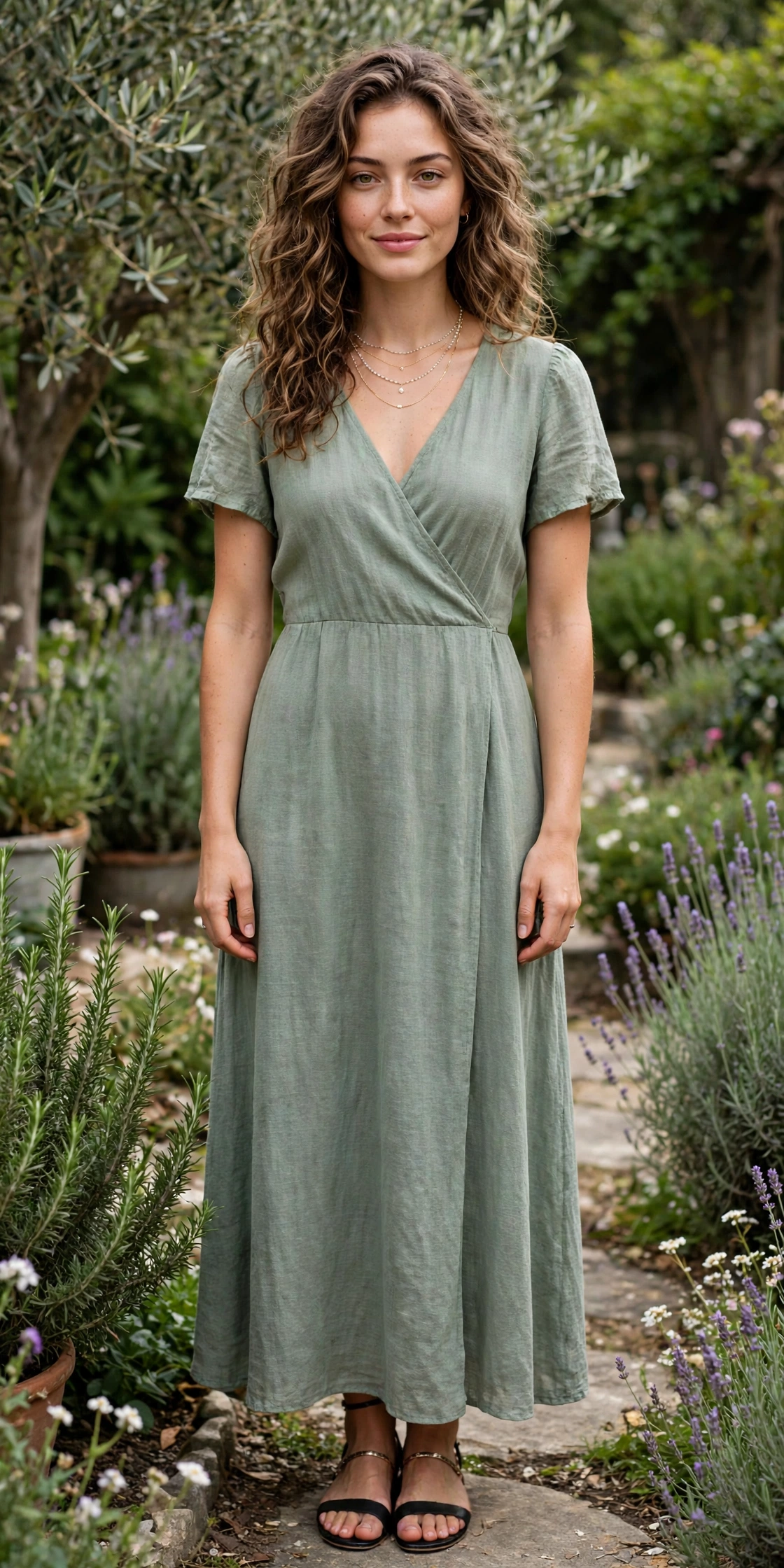
That quietness is why dainty jewelry layers so well. Two or three fine chains together still look light, where two or three chunky chains would look heavy and tangled. Layering is, in fact, where dainty jewelry earns its popularity: it lets you build a look piece by piece without bulk.
The Pieces That Count as Dainty
Necklaces. A dainty necklace usually has a chain 1 to 2 millimeters wide and a pendant, if there is one, under about 10 millimeters. A tiny circle, a small bar, a single small stone, or a letter initial are classic dainty pendants. The chain often sits at the collarbone or just below it.
Bracelets. A dainty bracelet is a fine chain or a slim bangle that moves easily on the wrist. It may carry one small charm. Stacking two or three fine bracelets is common, and the stack still looks light because each piece is so thin.
Rings. A dainty ring has a slim band, often 1 to 1.5 millimeters wide, sometimes with a tiny stone or a small row of stones. Dainty rings are popular for stacking — several slim bands on one finger, or spread across fingers.
Earrings. Dainty earrings are small studs, tiny hoops, or short drops. A stud the size of a pinhead, a hoop barely wider than a fingertip, or a drop that hangs less than an inch all qualify. They suit people who find larger earrings heavy or distracting.
Anklets. A fine anklet chain is the dainty version of a statement anklet. It shows most in summer, with sandals or cropped trousers, and it reads as a small, pretty detail rather than a bold accessory.
Why People Love Dainty Jewelry
The first reason is comfort. A fine chain does not catch on sweaters the way a chunky one does. A slim ring does not get in the way of typing. Small earrings do not pull at the ear after a long day. For people who wear jewelry every day, that comfort decides what actually gets worn and what stays in the box.
The second reason is versatility. A dainty necklace works with a work blouse, a weekend T-shirt, and an evening dress, because it does not compete with any of them. You can put it on in the morning without planning the whole outfit around it. That ease is worth a lot in a busy week.
The third reason is layering. Dainty pieces invite combining. A short fine chain, a slightly longer one with a pendant, and a third longer still create a neckline that looks styled without looking fussy. You can change the combination by mood or by neckline, which makes a small collection feel larger.
The fourth reason is subtlety. Not everyone wants their jewelry to be the first thing people notice. Dainty jewelry suits a quieter personal style, a formal workplace, or an occasion where a big piece would feel out of place, like a daytime event or a family gathering.

When Dainty Is Not the Right Choice
Dainty is not always the answer, and knowing when to skip it saves disappointing purchases.
If you have a bold, high neckline or a heavy knit sweater, a very fine chain can disappear entirely. In that case, either wear a longer dainty chain that falls below the neckline, or choose a medium chain that can hold its own against the fabric.
If you work with your hands all day — gardening, cooking, lifting, crafting — a fine chain or slim ring is more likely to snag or bend. Take dainty pieces off for heavy work, or save them for days when your hands are freer.
If you want one piece to carry an outfit, dainty will not do it. A plain dress with only a tiny pendant can look unfinished rather than minimal. In that case, add a second layer, a slightly larger pendant, or a bolder pair of earrings to give the outfit a focal point.
And if you are buying a gift for someone whose style you do not know well, dainty is a safe but sometimes underwhelming choice. It is rarely wrong, but it rarely surprises either. Pairing a dainty piece with a handwritten note about why you chose it helps it land better than the piece alone.
Choosing Dainty Jewelry That Looks Good on You
Scale is personal. A chain that looks dainty on one person can look almost invisible on another, depending on neckline, frame, and what else is worn with it. Use these checks when shopping.
The mirror test at arm’s length. Hold the piece up in front of a mirror at the distance someone standing across a table would see you. If you can see a fine line of shine and a small pendant shape, the scale works. If you see nothing at all, it may be too fine for that neckline, and a slightly longer or slightly thicker version will read better.
The daylight test. Jewelry shops use bright, warm lights that flatter everything. Step near a window or outside before you decide. Dainty pieces can look washed out in daylight if they are too thin, or they can catch the light beautifully. Daylight tells the truth.
The neckline test. Try the necklace with the top you plan to wear most. A crew neck hides a short chain. A V-neck or an open collar shows it. A scoop neck suits a chain that follows the curve of the neckline. If the chain fights the neckline, change the length, not the chain.
The hand test for rings. Spread your fingers and make a fist. A dainty band should feel like almost nothing. If it pinches or spins constantly, the size is off, not the style. Rings that spin often need a slightly smaller size or a band with a little more width to grip the finger.
The wrist test for bracelets. A dainty bracelet should slide a little on the wrist but not fall over your hand when you lower your arm. If it does, it is too loose, and a fine chain that is too loose tangles and snags more easily.
Styling Dainty Jewelry: Simple Rules That Work
Keep the metal consistent, at least at first. All gold tones together, or all silver tones together, look calm and intentional. Mixing metals can work, but it is easier once you are comfortable with layering, because mixed metals need a clear reason — like a two-tone piece that ties them together — or they can look accidental.
Layer by length, not by number. A chain at the collarbone, one two inches longer, and one longer still will sit in separate lines. Three chains all the same length will bunch into one tangled line, no matter how fine they are. When buying for layering, check the lengths before you check anything else.
Let one piece be the star, even among dainty pieces. If you layer three necklaces, give one a pendant and keep the other two plain. If you stack rings, give one a small stone and keep the rest plain bands. That single detail stops the whole look from blurring into sameness.
Match the occasion’s volume. For work, one dainty necklace and small studs are enough. For a weekend lunch, add a bracelet or a second chain. For an evening out, add a longer layer or a slightly larger pendant. The pieces stay dainty; the number of them changes with the day.
Caring for Fine Pieces
Dainty jewelry needs gentler handling than chunky jewelry, because there is less metal to absorb a snag or a pull.
Store each piece separately, ideally in its own pouch or compartment. Fine chains tangle with each other in minutes and can knot so tightly that untangling bends the links. Hanging necklaces on hooks also works, as long as they do not touch each other.
Fasten chains before storing them. An open chain in a box is a chain looking for something to tangle with. A closed chain, laid flat or hung, stays neat.
Take dainty pieces off before exercise, swimming, and heavy housework. A fine chain caught on a gym machine or a slim ring caught on a rough surface can break or bend in a second. The repair is possible, but prevention is far easier.
Clean with a soft cloth, and only a soft cloth, for most pieces. Avoid dips and harsh cleaners on plated dainty jewelry, since the thin layer wears fast. If a piece looks dull, a gentle wipe usually restores the shine, because there is so little surface for grime to cling to.
A Note on Price and Quality
Dainty does not automatically mean inexpensive. A fine solid gold chain costs real money, because the gold content and the fine workmanship both count. A fine plated chain costs far less, but the plating on such a thin piece wears through faster, since there is less surface and more bending. That trade-off is worth understanding before you buy.
If you plan to wear a dainty piece every day for years, solid metal or a thicker vermeil layer is usually the better value, even at a higher price. If you want to try a trend, test a length, or build a layered look on a budget, a plated dainty piece is a sensible first step. Buy the style cheaply, learn what you reach for, and then invest in the keeper.
Watch out for listings that call everything dainty. The word is popular, so sellers use it for medium pieces too. Check the measurements — chain width in millimeters, pendant size, band width — rather than trusting the adjective. Measurements do not exaggerate.
The Simple Takeaway
Dainty means small, fine, and light. It is a scale, not a material, not a price, and not a rule about who can wear it. It suits everyday comfort, easy layering, and quiet style, and it falls short only when an outfit needs a bolder focal point or the work of the day is rough on fine metal. Choose by measurement, check it in daylight against the neckline you will actually wear, store it separately, and let one small detail lead. Done that way, dainty jewelry does what it is meant to do: it finishes an outfit without ever getting in the way.
A Simple Way to Remember It
If you remember one sentence, make it this: dainty means fine enough to forget you are wearing it, but finished well enough to catch the light. That is why the word shows up so often in everyday jewelry — it promises comfort and quiet style in a single word. Next time a listing asks you, in effect, what does dainty mean in jewelry, check the measurements instead of trusting the adjective: a chain 1 to 2 millimeters wide, a pendant under 10 millimeters, a band barely wider than a thread. If the numbers match the word, you are looking at a genuinely dainty piece. If they do not, you are looking at marketing, and you can shop on.
Is dainty jewelry good for everyday wear?
Yes, it is one of the best choices for everyday wear, because it is light, comfortable, and easy to pair with different outfits. The main caution is to take fine pieces off for heavy manual work, exercise, and swimming, where a thin chain or slim band is more likely to snag or bend.
What size counts as dainty for a necklace?
There is no official standard, but most sellers use “dainty” for chains about 1 to 2 millimeters wide with pendants under about 10 millimeters. Always check the listed measurements rather than the word alone, since the word is used loosely and the numbers tell you the real scale.
Can you layer dainty necklaces without tangling?
You can reduce tangling a lot by choosing different lengths so each chain sits in its own line, and by fastening each chain before storing it. Some tangling still happens during wear, especially with very fine chains. A necklace layering clasp, which holds several chains at one clasp, helps keep them separated through the day.
Is dainty jewelry only for women?
No. Dainty describes scale, not gender. Fine chains and slim bands are worn by anyone who prefers a quieter look. The styling rules — check the length, keep metals consistent, let one piece lead — work the same regardless of who is wearing the piece.
Does dainty mean the jewelry is low quality?
Not at all. Quality depends on the metal, the craftsmanship, and the clasp, not on thinness. A well-made fine chain in solid metal can last for years with normal wear. A poorly made chunky chain can break quickly. Judge a piece by its material, its measurements, and how well it is finished, not by how delicate it looks.
How do you stop dainty chains from tangling in storage?
Store each necklace separately in its own pouch, or hang it on its own hook so it does not touch other chains. Always fasten the clasp before putting it away. A closed chain stored flat or hanging stays neat, while an open chain loose in a box tangles fast.