Buying a jacket should be simple, but standing in a store surrounded by blazers, bombers, denim jackets, leather jackets, and trench coats can make it feel anything but. The good news is that most women only need a few jackets to cover almost every situation. A practical guide to jackets for women comes down to three questions: how warm does it need to be, how formal is the occasion, and what will you wear under it.
The short answer is this: start with a jacket that fits your shoulders, closes comfortably over the thickest top you plan to wear under it, and ends at a length that works with your most-worn trousers or skirts. If it passes those three tests, it will earn its place in your closet. The rest of this guide breaks down the main types, how each one should fit, and how to build a small collection that actually gets worn.
Start with the job, not the style
Before you fall for a color or a detail, think about what the jacket has to do. A jacket for a daily commute needs to handle wind, maybe rain, and a bag strap without slipping off your shoulder. A jacket for a casual office needs to look tidy over a blouse and sit well at a desk. A jacket for weekends needs to move freely and survive being tossed over a chair. A jacket for evenings needs to look good over a dress and not add bulk at the shoulders.
Write down, honestly, the three situations you wear a jacket in most often. Most people find the list is shorter than they expected: work, weekends, and one dressier occasion. That list is your shopping list. If a jacket does not serve at least one of those three situations, it is a want, not a need, and it can wait.
Weather narrows the list further. In a mild climate, a light jacket in a water-resistant fabric may be the hardest-working piece you own. In a cold climate, insulation matters more than style, and a jacket that looks great but leaves you cold will stay in the closet by December. In a place with big temperature swings during the day, a jacket that layers well — roomy enough for a sweater, light enough to carry when the sun comes out — is worth more than a heavy coat.
Jackets for women: the main types, and what each one is for
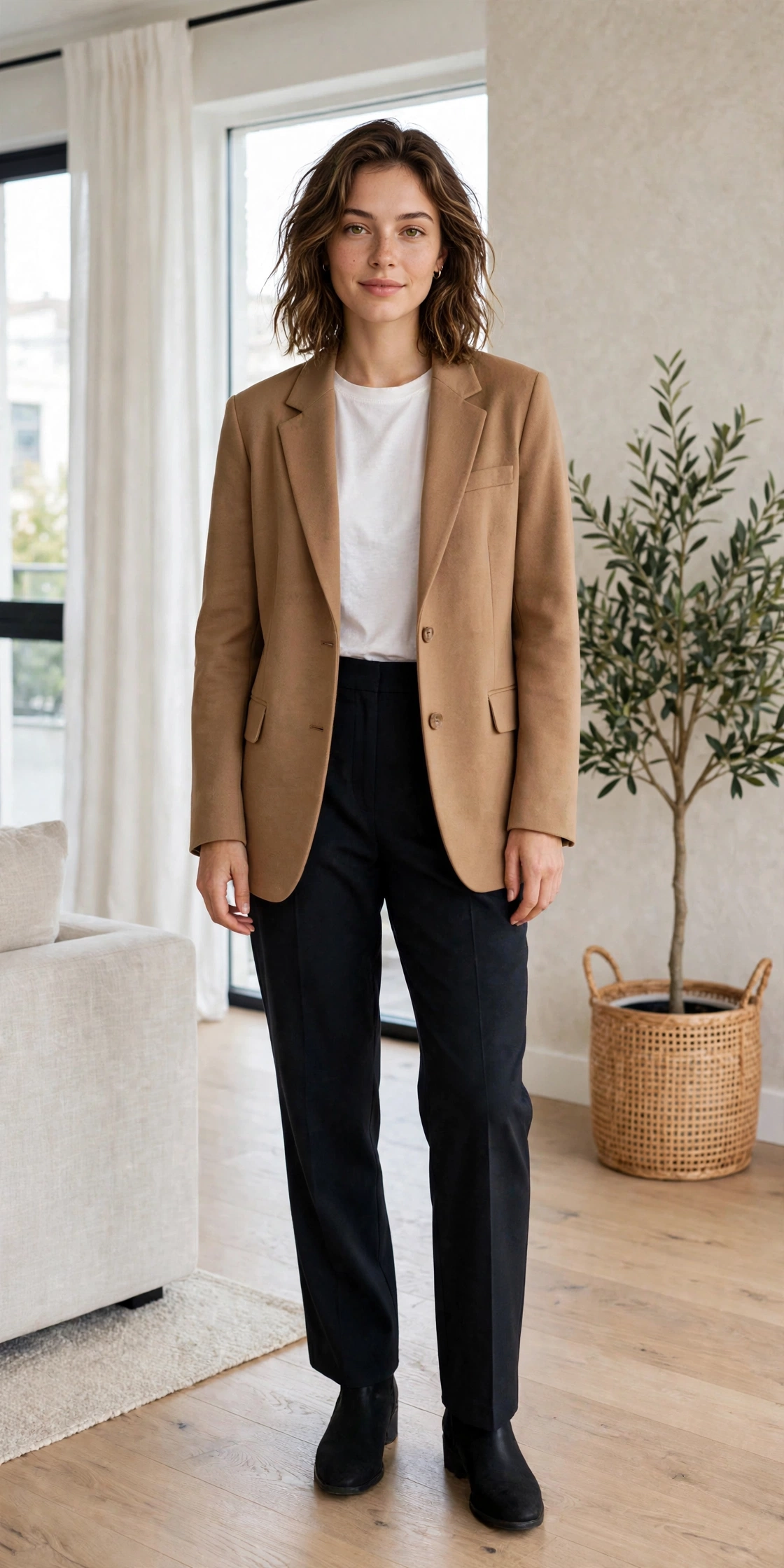
The blazer is the most versatile jacket for work and smart occasions. A single-breasted blazer with a clean lapel works over a blouse, a dress, or a simple top, and it instantly makes an outfit look intentional. Look for a blazer that buttons without pulling, with shoulder seams at your shoulders and sleeves that end at the wrist bone. A blazer that is too long can overwhelm a shorter frame, so check the length against your trousers: a blazer that ends at the hip bone is the most versatile length.
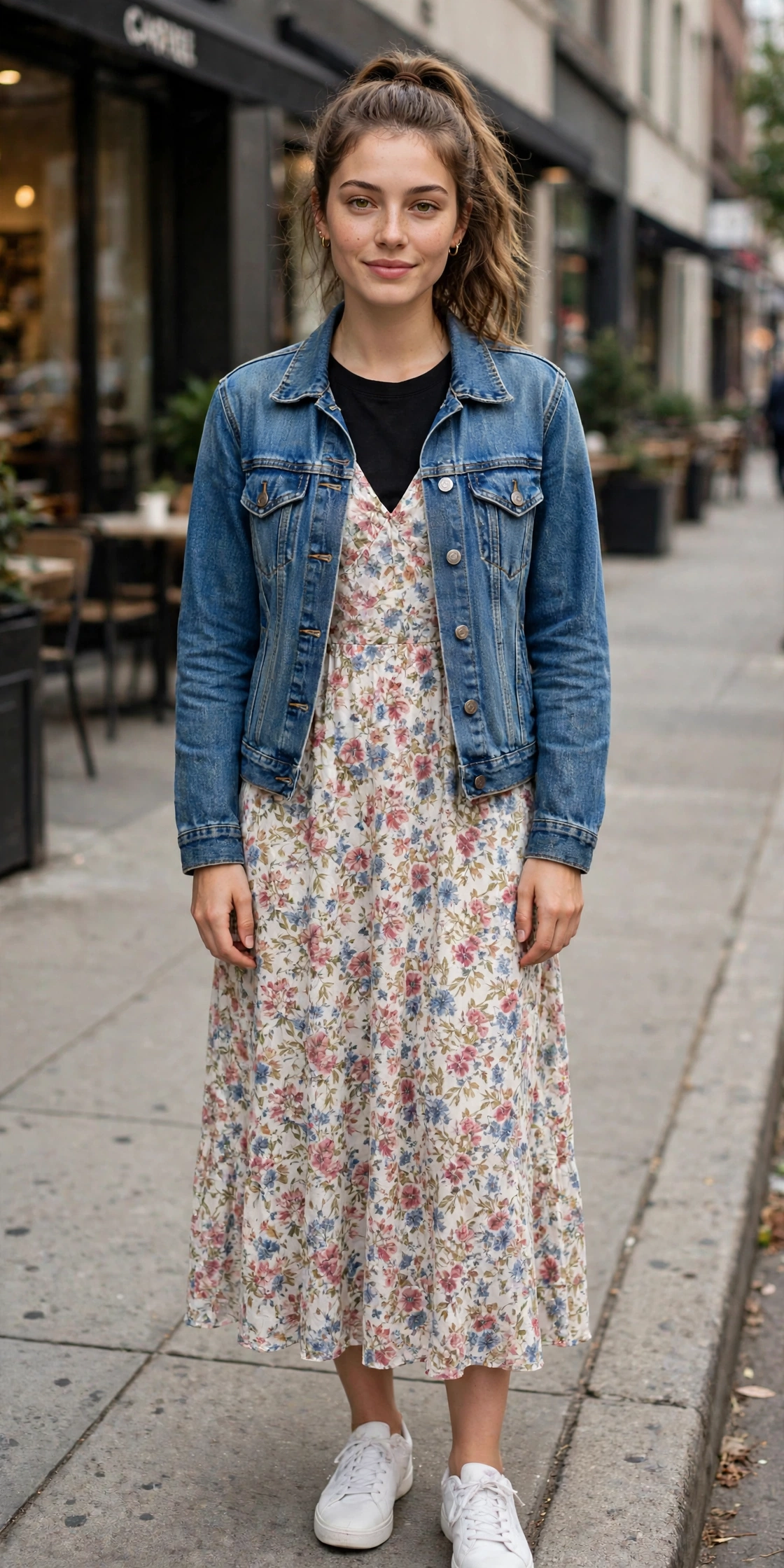
The denim jacket is the weekend workhorse. It goes over dresses, skirts, and trousers, it softens with wear, and it handles mild weather well. Fit matters more than wash: a denim jacket should sit at the waist or hip, allow a sweater underneath in cooler months, and not pull across the back when you reach forward. A very oversized denim jacket can be stylish, but it needs a fitted outfit underneath to balance it, or the whole look becomes shapeless.
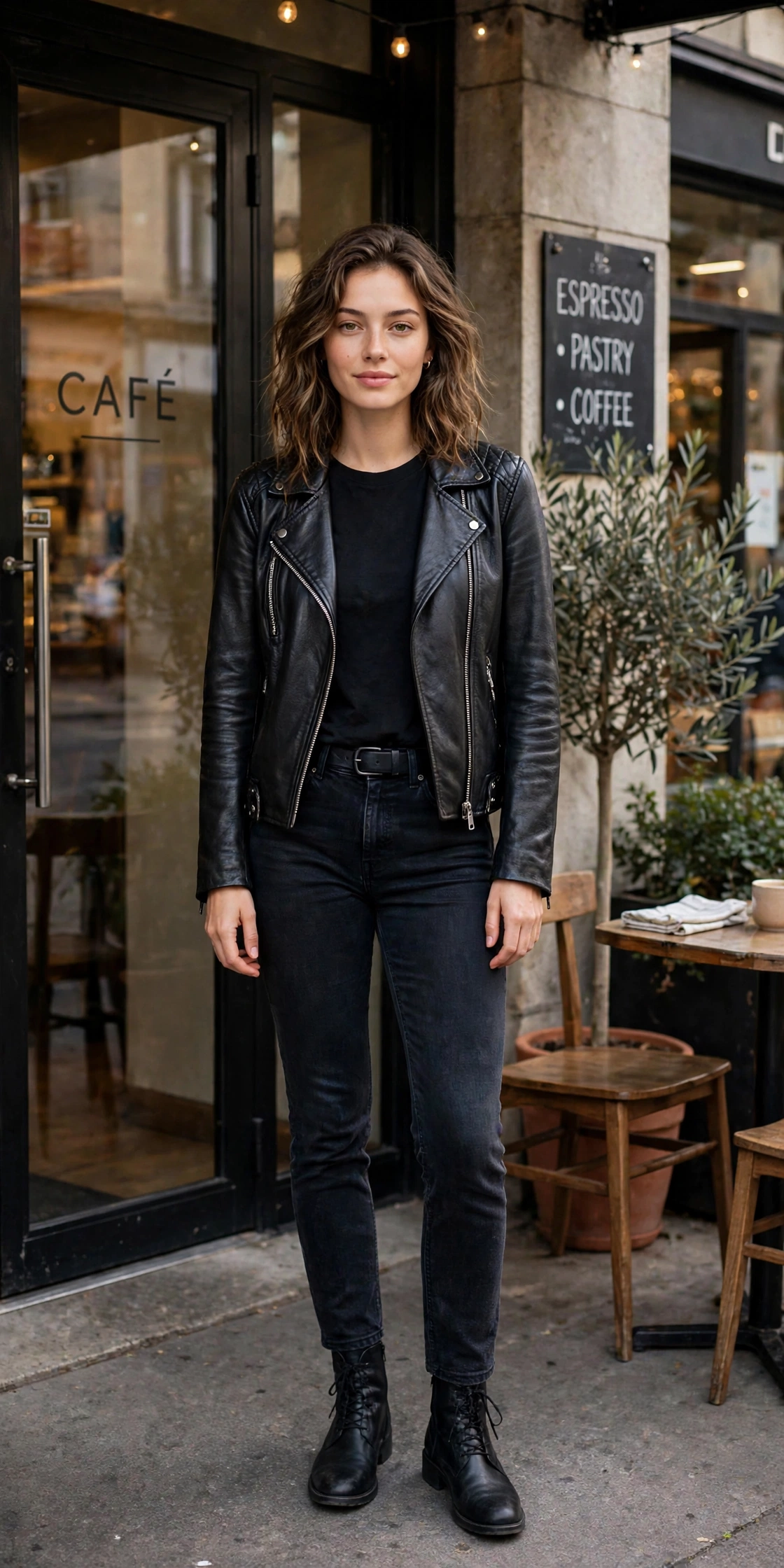
The leather jacket — real or faux — is the jacket that adds attitude to a simple outfit. A classic moto style with a diagonal zip suits casual outfits and dresses alike. A simpler, straight-zip leather jacket reads a little more polished. Leather jackets should fit closer to the body than a denim jacket, because leather does not stretch much and a baggy leather jacket looks heavy. Check the arm movement carefully: raise your arms and reach forward, because a leather jacket that binds at the shoulders will be uncomfortable all day.
The bomber jacket is short, relaxed, and easy. It ends at the waist, has a ribbed hem and cuffs, and works well with high-waisted trousers and skirts. It suits casual days and travel, because it is light and packs well. A bomber in a plain color is more versatile than one with bold patches or logos, which limit what it pairs with.
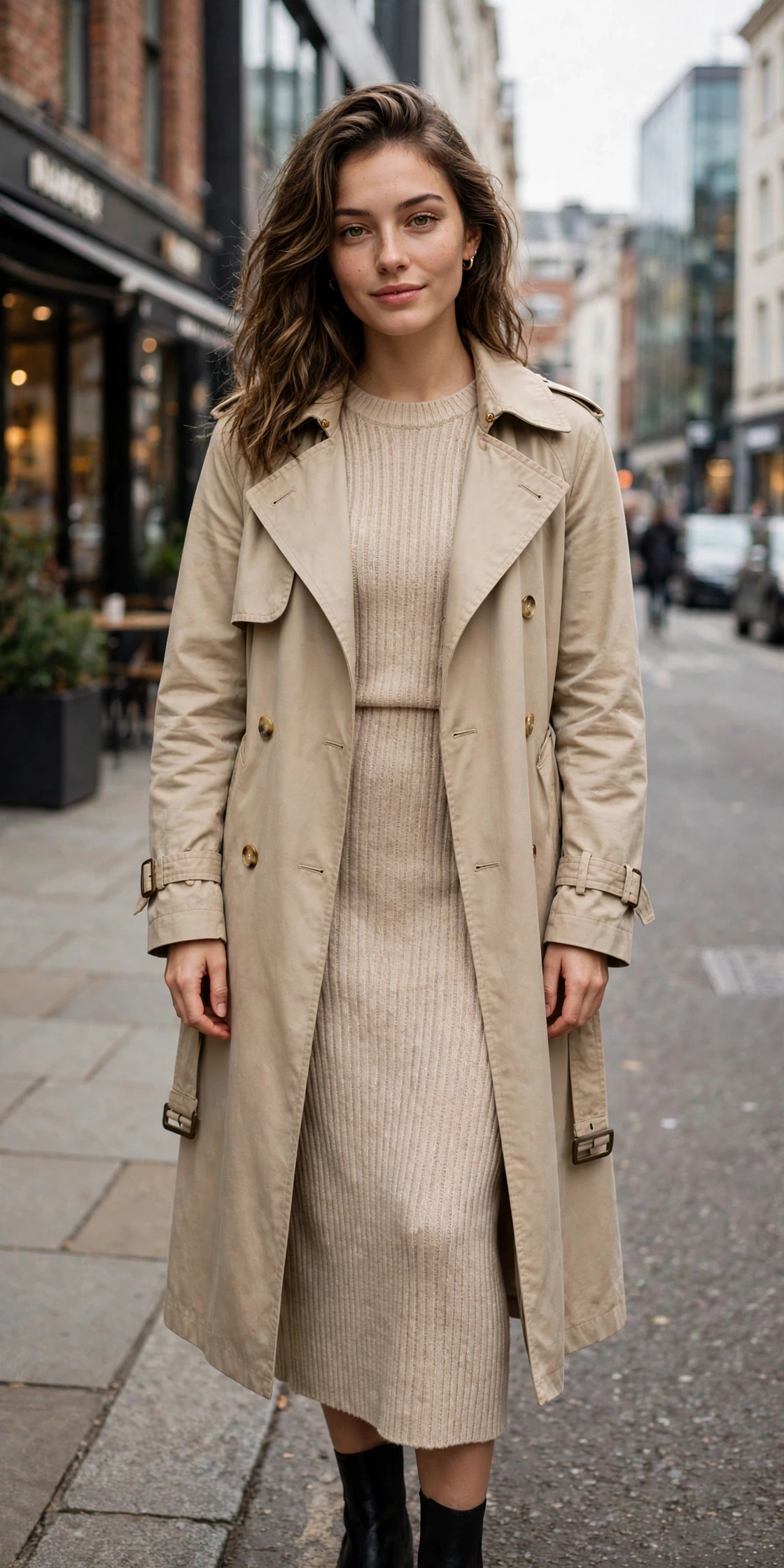
The trench coat sits between a jacket and a coat, and it is the best choice for rainy, mild weather. A classic trench in a neutral color, with a belt and a storm flap, looks polished over almost anything. The belt is the key fit point: it should define the waist without pulling the coat tight, and the coat should fall to the knee or just above it for the most versatile length. A trench that is too long can swamp a shorter person; a trench that is too short loses its elegant line.
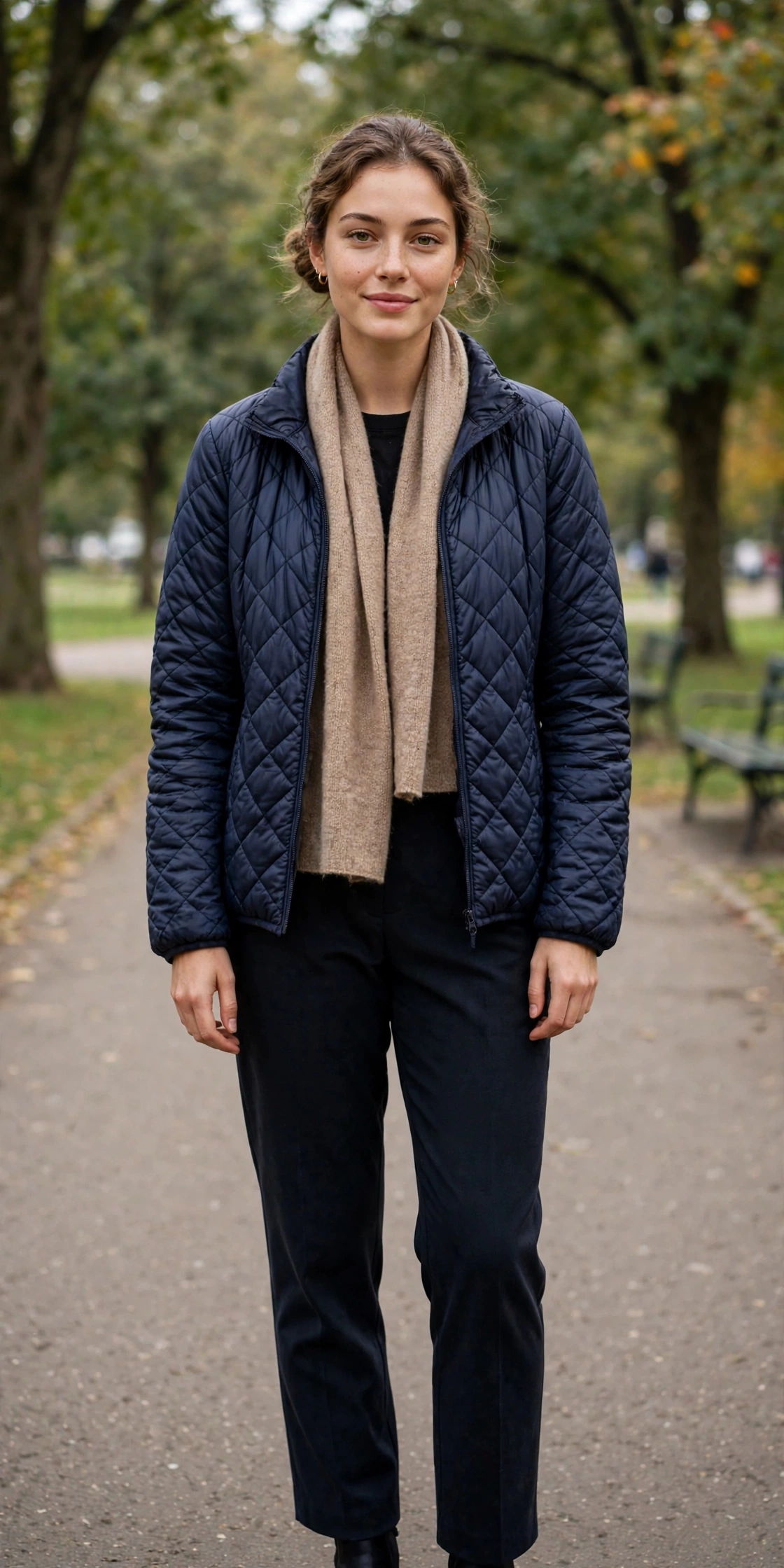
The quilted jacket is the practical cold-weather choice. Lightweight, warm, and easy to layer, it works for walks, school runs, and outdoor days. Look for quilting that is even and not too puffy, because very puffy quilting adds visual bulk. A quilted jacket in a dark neutral pairs with more outfits than a bright one, though a deep green or burgundy can be a nice change from black.
The utility or field jacket, with its multiple pockets and relaxed fit, is the casual outdoor option. It is great for days when you need to carry things and want your hands free. Keep the rest of the outfit simple, because the jacket itself has a lot of detail. Too many pockets plus a patterned top plus bold shoes can make the outfit look busy.
How a jacket should fit
Fit is where most jacket purchases go wrong, and it is worth taking time over. Start with the shoulders. The shoulder seam should sit at the edge of your shoulder bone. If it droops past that point, the jacket will look too big no matter what else fits. If it sits inside the shoulder bone, the jacket will pull and restrict your arms. This rule holds for almost every jacket type, from blazers to bombers.
Next, button or zip the jacket over the thickest top you plan to wear under it. A blazer that closes over a thin blouse but not over a sweater is only useful for half the year. A jacket that pulls at the button when closed is too small, even if it looks fine open. Jackets are often worn open, but they should still be able to close, because wind and cold do not care about your styling preference.
Check the sleeve length. For a blazer or a trench, the sleeve should end at the wrist bone, showing a small amount of shirt cuff if you wear one. For a casual jacket, the sleeve can end slightly shorter, at the wrist, without looking wrong. Sleeves that cover the hand look sloppy; sleeves that end halfway up the forearm look too small. Sleeve alterations are possible on many jackets, but they cost time and money, so it is better to find the right length on the rack.
Check the back. Stand sideways in the mirror and look for horizontal wrinkles across the back, which usually mean the jacket is too tight, or excess fabric pooling, which usually means it is too big. Raise your arms above your head and reach forward as if you were driving. The jacket should move with you, not ride up dramatically or bind at the armpits. Sit down and check again, because a jacket that fits standing but digs in when seated will not be comfortable for a workday.
Length is the last fit point, and it depends on what you wear most. A jacket that ends at the waist suits high-waisted trousers and skirts. A jacket that ends at the hip suits most trousers and dresses. A jacket that ends below the hip starts to act like a coat and needs longer legs or a heel to balance it. Try the jacket with your most-worn bottoms before deciding, not with the store’s display outfit.
Fabric and warmth: what to look for
Fabric decides how warm a jacket is, how it drapes, and how much care it needs. Wool and wool blends are warm, hold their shape, and look polished, but they need dry cleaning and can feel heavy in mild weather. Cotton twill, used in trench coats and utility jackets, is breathable, easy to care for, and good for rain if treated, but it wrinkles and is not very warm on its own. Denim is sturdy and gets better with wear, but it is not warm and takes a while to dry when wet.
Leather, real or faux, blocks wind well and looks better with age, but it needs care to avoid cracking, and it is not the warmest choice without a lining. Nylon and polyester shells, used in quilted and rain jackets, are light, water-resistant, and easy to wash, but they can look less polished and may not breathe well. A jacket with a removable lining or a quilted inner layer is a smart buy for changeable weather, because it extends the jacket’s useful season.
Warmth also depends on the lining and the closure. A jacket that closes fully at the neck, with a collar that stands up or a hood, will feel warmer than an open jacket in the same fabric. A jacket with a wind flap behind the zip keeps drafts out. A jacket with a drawstring hem keeps warmth in on cold days. These small details matter more than the brand name on the label.
Care is a practical consideration, not a minor one. A jacket that needs dry cleaning every time it gets a mark will cost more over its life than the price tag suggests. If you wear a jacket daily, a machine-washable option in cotton or a synthetic blend may be the smarter choice, even if a wool version looks slightly more polished. Check the label before you buy, and be honest about how much care you will actually give it.
Building a small collection that covers everything
Most women do not need ten jackets. When it comes to jackets for women, a collection of three or four, chosen well, covers almost everything.
First, a smart jacket: a blazer or a clean, structured jacket in a dark neutral. This is the work and dressy-occasion jacket. It should fit well over a blouse and a thin sweater, and it should pair with trousers, skirts, and dresses.
Second, a casual jacket: a denim jacket or a bomber in a versatile color. This is the weekend and everyday jacket. It should be comfortable, easy to throw on, and forgiving enough to wear over a variety of tops.
Third, a weather jacket: a trench for rain and mild weather, or a quilted jacket for cold weather, depending on your climate. This is the jacket that earns its keep on the days when the weather is the deciding factor, not the outfit.
Fourth, if you have room and budget, a personality jacket: a leather jacket, a bold color, or a patterned jacket that makes simple outfits feel special. This is the jacket you buy because you love it, not because you need it, and it is worth waiting until the first three are covered before buying it.
When you add a jacket, check it against the ones you already own. Does it fill a gap — a warmer option, a smarter option, a rain option — or does it duplicate something you already have? Duplicates are the reason closets fill up with jackets that never get worn. A new jacket should earn its place by doing something the others do not.
Colors, patterns, and making jackets work with what you own
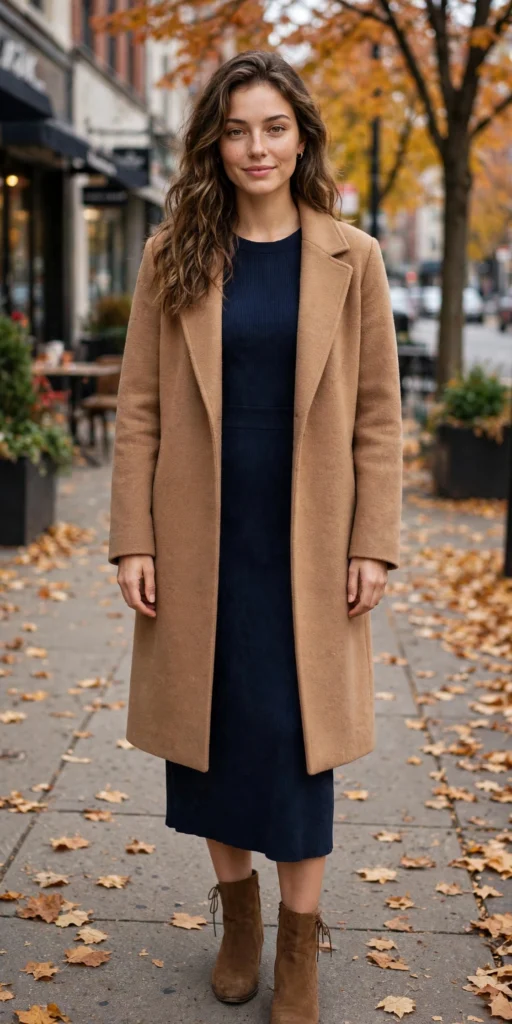
A dark neutral — black, navy, charcoal, or camel — is the safest first jacket color, because it pairs with almost everything in a closet. Camel is warmer and softer than black, and it looks especially good with denim and cream. Navy is a quieter alternative to black that pairs well with both warm and cool colors. Charcoal is a good middle ground: softer than black, darker than grey, and easy to wear daily.
Once you have a neutral, a second jacket can add color or pattern. A deep burgundy, forest green, or rust jacket adds warmth without clashing with most outfits. A checked or striped jacket can be lovely, but it needs plain tops and bottoms to balance it. A bright jacket — red, yellow, or cobalt — is a statement piece: it will lift a simple outfit, but it will also be noticeable every time you wear it, so make sure you love it enough to repeat it.
Pattern matching is simple in practice: if the jacket is patterned, keep the rest of the outfit plain. If the jacket is plain, you can add a patterned top or scarf. If both the jacket and the top are patterned, they need to share a color or a scale — small pattern with large pattern, or patterns in the same color family — or the outfit will look busy. When in doubt, plain wins.
Scarves, bags, and shoes change how a jacket reads. A blazer with a silk scarf and a structured bag looks professional. The same blazer with a knit scarf and a tote looks casual. A denim jacket with white sneakers looks relaxed; with ankle boots it looks a little smarter. These small swaps mean one jacket can serve several occasions, which is the point of buying well rather than buying often.
Trying jackets on: a fitting-room routine
Use this routine every time, and you will avoid most bad purchases. First, wear or bring the top you plan to wear under the jacket most often. Trying a blazer over a camisole when you will wear it over a sweater gives you a false fit. Second, check the shoulders, then button or zip the jacket, then check the back in the mirror. Third, sit down, raise your arms, and reach forward. Fourth, try the jacket with your most-worn bottoms, or at least imagine them honestly. Fifth, walk around the store for a minute. A jacket that feels fine standing still but rides up when you walk will annoy you daily.
Also check the pockets. Jacket pockets should be usable, not just decorative, and they should not bulge when you put your phone or keys in them. Check the inside, too: a finished lining, neat seams, and a secure button or zip are signs of a jacket that will last. A jacket with loose threads, a flimsy zip, or a lining that catches is not worth the price, however good it looks on the hanger.
If you shop online, the same routine applies at home, with one extra step: keep the tags on and try the jacket with three different outfits before deciding. Online returns are easier when the jacket is unworn and tagged, and trying it with real outfits tells you more than a mirror alone. Measure your shoulders and bust and compare them to the maker’s size chart, because jacket sizes vary as much as dress sizes do.
When to repair, replace, or let go
A good jacket can last for years, and small repairs are usually worth it. Replacing a button, fixing a loose hem, or re-stitching a pocket is inexpensive and extends the jacket’s life. A tailor can also adjust sleeve length and take in the waist on many jackets, which can rescue a jacket that almost fits.
Replace a jacket when the fabric itself is worn through, the lining is shredded, the zip no longer closes reliably, or the shape has stretched beyond what a tailor can fix. A jacket that pills badly, fades unevenly, or smells despite cleaning has also reached the end of its useful life. Keeping a worn-out jacket “just in case” usually means it takes up space and never gets worn, because you will reach for a better one every time.
Letting go is easier if you have a replacement ready. When you buy a new jacket, try donating or passing on the one it replaces, if it is still wearable. A closet with three jackets you love is more useful than a closet with ten you tolerate, and it makes getting dressed faster every morning.
Choosing jackets for women well is not about following trends or buying the most expensive option. It is about knowing what you need it to do, checking the fit in the places that matter — shoulders, closure, back, and length — and picking a fabric and color that work with the clothes you already own. Do that, and the jacket you buy will not just look good on the day you buy it; it will be the one you reach for again and again, season after season.
How many jackets do I really need?
For most women, three or four cover everything: a smart blazer, a casual denim or bomber jacket, a weather jacket like a trench or quilted coat, and optionally a personality piece like leather. Start with the situations you dress for most often and fill those gaps first.
What is the most versatile jacket color?
A dark neutral: black, navy, charcoal, or camel. Navy and charcoal are softer than black for everyday wear, while camel adds warmth and pairs beautifully with denim and cream. Save bright colors for a second or third jacket.
Should a jacket close over a sweater?
Yes, if you plan to wear it in cooler weather. Always try a jacket on over the thickest top you expect to wear under it. A jacket that only closes over a thin top will be useless for half the year.
How should a blazer fit?
Shoulder seams at your shoulders, buttons that close without pulling, sleeves ending at the wrist bone, and a length that ends around the hip bone for the most versatility. Check the back for pulling or pooling, and make sure you can sit and raise your arms comfortably.
Are leather jackets practical for everyday wear?
Yes, if the fit is right. Leather blocks wind well and lasts for years with basic care. Choose a fit that is close but not tight, check arm movement carefully, and keep the rest of the outfit simple so the jacket is the focal point.
Can I wear a denim jacket to work?
In a casual office, yes, especially a darker wash with a clean fit over a simple top or dress. In a formal office, a blazer is a safer choice. A denim jacket with fraying, holes, or a very light wash reads as weekend wear.